
Lead-based paint remains one of the most serious environmental health risks in New York City, especially in buildings constructed before 1978. While many property owners know that testing is important, fewer understand which testing method is best. Choosing between XRF testing NYC and traditional lead paint testing can significantly impact safety, accuracy, compliance, and long-term costs.
This guide explains how both methods work, compares their effectiveness, and helps homeowners, landlords, and property managers determine the best approach for their NYC property.
Why Lead Paint Testing Still Matters in New York City
New York City’s housing stock is among the oldest in the country. Even when painted surfaces appear intact, lead may still exist beneath newer layers. Renovations, friction, moisture, or aging materials can release lead dust without warning.
Health Risks of Lead Exposure
Developmental delays in children
Learning and behavioral issues
Neurological damage
Kidney and cardiovascular problems
Long-term health complications
Because symptoms often appear slowly, early detection through professional testing is critical.
Understanding XRF Testing NYC
What Is XRF Testing?
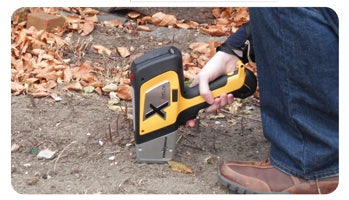
XRF testing NYC uses X-ray fluorescence technology to detect lead content in painted surfaces without damaging them. The handheld device emits a low-energy X-ray beam that identifies lead atoms instantly.
This method is widely recognized as the industry standard for lead paint detection in New York City.
How XRF Testing Works
A certified inspector scans painted surfaces
Results appear in seconds
Multiple paint layers are analyzed at once
No paint removal or surface damage occurs
Because of its speed and precision, XRF lead testing NYC is commonly used in occupied homes, apartment buildings, schools, and commercial properties.
What Is Traditional Lead Paint Testing?
Traditional lead paint testing typically involves paint chip sampling or surface dust collection.
How Traditional Testing Works
Small paint samples are removed
Samples are sent to a laboratory
Results take several days
Testing may damage painted surfaces
While laboratory analysis can be accurate, it is slower, more invasive, and less practical for large or occupied properties.
XRF Testing NYC vs Traditional Lead Paint Testing: Key Differences
1. Accuracy and Depth of Detection
XRF Testing NYC
Detects lead through multiple paint layers
Identifies hidden lead even under intact paint
Provides instant numeric readings
Traditional Testing
Only tests the sampled layer
May miss lead beneath newer paint
Accuracy depends on sample location
Winner: XRF testing NYC
2. Speed and Efficiency
XRF Testing NYC
Immediate results
Entire properties can be scanned in one visit
Ideal for time-sensitive inspections
Traditional Testing
Results may take days
Requires lab processing
Delays decision-making
Winner: XRF testing NYC
3. Safety and Non-Destructive Testing
XRF Inspection NYC
No paint removal
Minimal disruption
Safe for children and occupied spaces
Traditional Testing
Involves scraping or cutting paint
Risk of releasing lead dust
Requires surface repair afterward
Winner: XRF inspection NYC
4. Cost Effectiveness Over Time
While paint chip testing may appear cheaper upfront, it often requires:
Multiple samples
Additional labor
Surface repairs
Follow-up testing
XRF testing NYC may have a higher initial cost, but it reduces repeat visits, repair expenses, and delays—making it more cost-effective overall.
5. Compliance and Documentation
XRF Testing NYC
Widely accepted by NYC agencies
Ideal for regulatory compliance
Clear surface-by-surface documentation
Traditional Testing
Accepted in limited scenarios
Less practical for large-scale compliance
Winner: XRF testing New York City
When Traditional Lead Paint Testing Is Still Used
Although XRF testing is preferred, traditional testing may still be used in specific cases:
Legal confirmation through lab analysis
Soil or dust sampling requirements
Verification testing after remediation
Certified inspectors often combine both methods when necessary to deliver complete compliance documentation.
Which Method Is Best for Residential Properties?
For most homeowners, XRF testing NYC is the safest and most efficient choice.
Ideal Scenarios for XRF Testing
Apartments and multi-unit buildings
Homes with children or elderly occupants
Pre-renovation inspections
Rental property compliance
Large surface areas
Traditional testing is generally reserved for confirmatory or supplemental purposes.
Renovations: Why XRF Testing NYC Is Critical
Renovation work is one of the most common causes of lead exposure. Sanding, drilling, or demolition can release large amounts of lead dust if lead paint is present.
Before renovation:
Schedule XRF lead testing NYC
Share results with contractors
Implement lead-safe work practices
Skipping this step can lead to health risks, project delays, and potential violations.
The Role of Certified XRF Inspection NYC Professionals
Proper testing depends on certified inspectors who understand NYC regulations and safety protocols.
What Certified Inspectors Provide
EPA and NYC-compliant testing
Accurate surface mapping
Clear risk explanations
Actionable recommendations
Trusted documentation
This expertise ensures testing results are reliable, defensible, and useful.
Why CleanNYC Lead and Mold Solutions Uses XRF Testing
CleanNYC Lead and Mold Solutions specializes in professional XRF testing NYC for residential and commercial properties.
Business Information CleanNYC Lead and Mold Solutions 841 Knickerbocker Ave, Brooklyn, NY 11207 | 212-381-6001
Our certified inspectors use advanced XRF technology to provide non-destructive, accurate testing with clear reporting and NYC-compliant documentation.
Frequently Asked Questions (FAQ)
Is XRF testing safe for children and pets?
Yes. XRF inspection NYC uses low-level radiation that is safe and regulated, with no damage to surfaces.
How long does XRF testing NYC take?
Most residential inspections are completed within a few hours, depending on property size.
Can XRF testing detect lead under new paint?
Yes. XRF testing New York City detects lead through multiple paint layers.
Do landlords need XRF testing?
While not always mandatory, XRF testing is strongly recommended to meet NYC lead safety obligations.
Is traditional testing ever required?
In some cases, laboratory confirmation may be required, but XRF testing is usually the first and best step.
Final Verdict: XRF Testing NYC vs Traditional Lead Paint Testing
When comparing XRF testing NYC vs traditional lead paint testing, the advantages of XRF are clear. It is faster, safer, more accurate, and better suited for NYC’s dense residential environment.
For homeowners, landlords, and property managers, XRF testing NYC offers peace of mind, regulatory confidence, and proactive protection against lead exposure. Traditional methods still have a place, but for most properties, XRF remains the gold standard.