
Property owners, landlords, contractors, and real estate professionals across New York City face increasing responsibilities when it comes to environmental safety and regulatory compliance. One of the most important concerns in older buildings is the presence of lead-based paint. Since many NYC properties were built before the 1978 federal ban on residential lead paint, identifying potential hazards remains a priority. This is where XRF testing NYC services play a critical role.
X-Ray Fluorescence (XRF) testing is widely recognized as one of the most accurate, efficient, and non-destructive methods for detecting lead-based paint in residential, commercial, and multi-family properties. Whether you are preparing for renovations, purchasing a property, or meeting local housing requirements, understanding how XRF testing works can help you make informed decisions while protecting occupants and maintaining compliance.
What Is XRF Testing?
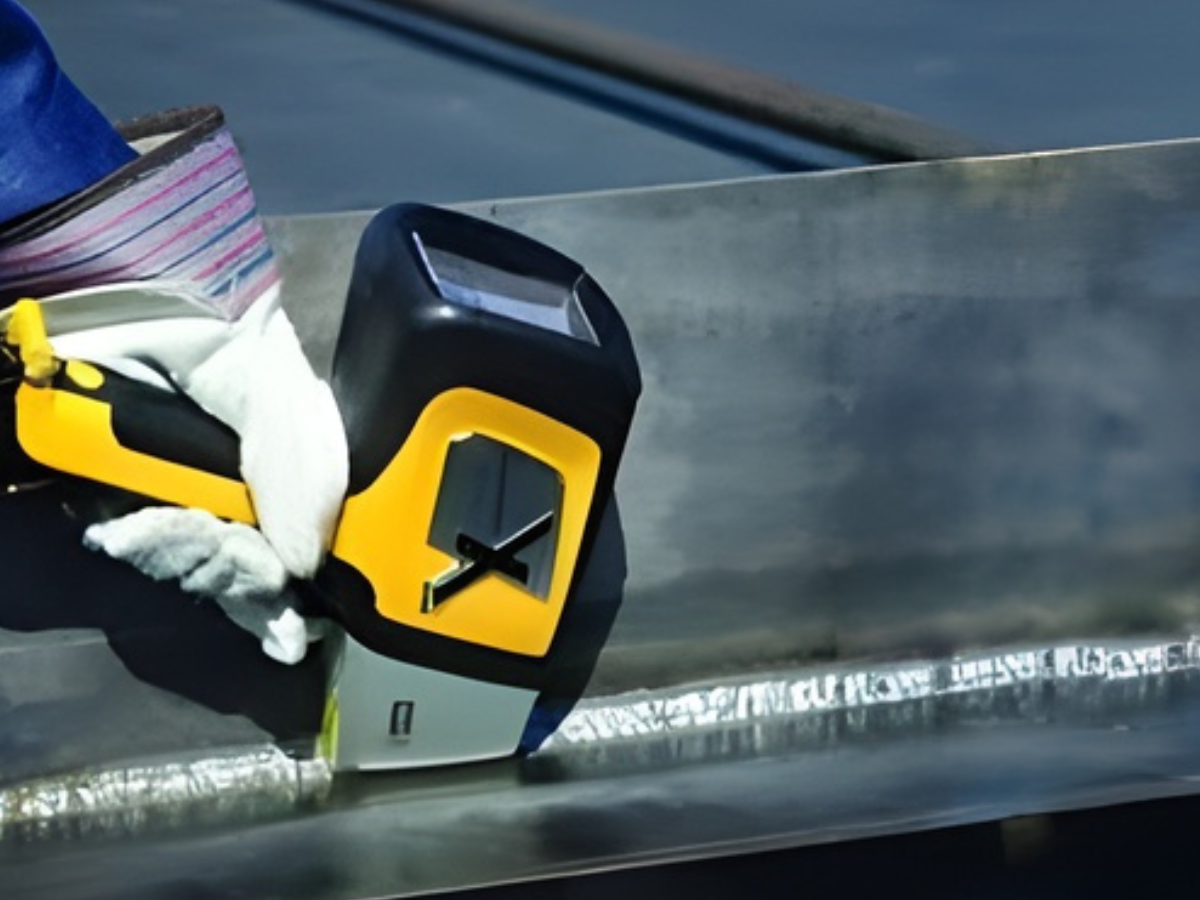
XRF stands for X-Ray Fluorescence, a technology used to identify the presence of lead within painted surfaces. Certified inspectors use a handheld XRF analyzer that emits low-level X-rays into the material being tested. The device measures the energy emitted by the paint layers and determines whether lead is present.
Unlike traditional paint chip sampling, XRF testing delivers immediate results without damaging walls, trim, doors, or other painted surfaces. This makes it one of the most practical and efficient options for comprehensive lead inspections.
Because of its accuracy and convenience, XRF technology has become the industry standard for many lead paint inspections throughout New York City.
Why Lead-Based Paint Remains a Concern in NYC
Although lead-based paint was banned for residential use decades ago, many older buildings still contain original paint beneath newer coatings. Over time, painted surfaces can deteriorate, creating lead-contaminated dust and debris.
Common causes of lead exposure include:
- Peeling or chipping paint
- Renovation and demolition activities
- Friction surfaces such as windows and doors
- Water damage and aging structures
- Poor maintenance practices
Lead exposure can have serious health consequences, particularly for young children and pregnant women. Developmental delays, learning difficulties, behavioral issues, and other health complications have been linked to lead exposure.
As a result, proactive testing remains an essential part of property management and environmental safety programs.
How XRF Testing Works
The XRF inspection process is relatively straightforward but requires specialized equipment and trained professionals.
Initial Property Assessment
The inspector evaluates the property and identifies painted surfaces that require testing. This may include walls, ceilings, doors, trim, windows, staircases, and exterior components.
Surface Scanning
The handheld XRF analyzer is placed directly against painted surfaces. Within seconds, the device measures lead concentrations and records the results.
Data Collection
Multiple readings are collected throughout the property to create a detailed map of areas containing lead-based paint.
Inspection Report
After testing is complete, the property owner receives a comprehensive report outlining findings, locations of lead hazards, and recommended next steps if remediation is necessary.
Advantages of XRF Testing Over Traditional Methods
Many property owners choose XRF inspections because they offer several significant advantages compared to alternative testing techniques.
Non-Destructive Inspection
Unlike paint chip sampling, XRF testing does not require removing paint or damaging surfaces. The inspection can be completed without altering the property's appearance.
Immediate Results
Results are available instantly during the inspection, eliminating the waiting period associated with laboratory analysis.
High Accuracy
Modern XRF analyzers provide highly reliable data and are widely accepted for regulatory and compliance purposes.
Comprehensive Coverage
Inspectors can test numerous surfaces quickly, creating a more complete assessment of the property.
Cost Efficiency
Because results are immediate and extensive sampling is not required, XRF testing can often reduce overall inspection costs.
When Should Property Owners Schedule XRF Testing?
Several situations make XRF lead testing particularly valuable.
Before Renovations
Construction projects can disturb older paint layers and release hazardous lead dust. Testing beforehand helps ensure safe work practices.
During Real Estate Transactions
Buyers and sellers often use lead inspections to better understand environmental risks associated with a property.
Rental Property Compliance
Landlords can use testing reports to support compliance efforts and document property conditions.
Child Occupancy Concerns
Properties occupied by young children may require additional lead safety precautions and assessments.
Historical Building Maintenance
Older structures undergoing restoration frequently benefit from detailed lead evaluations before work begins.
Understanding NYC Lead Regulations
New York City has implemented strict requirements designed to reduce lead exposure risks in residential housing. Property owners are expected to identify and address hazards promptly, especially in buildings where young children reside.
Compliance efforts may include:
- Routine property inspections
- Prompt repair of deteriorated paint
- Lead-safe renovation practices
- Hazard documentation
- Environmental risk management
Professional XRF testing provides valuable information that can help property owners satisfy these obligations and avoid violations.
Important LSI Keywords Related to XRF Testing
Several related terms are frequently associated with lead detection and environmental compliance.
Lead Paint Inspection
A professional evaluation used to identify surfaces containing lead-based paint.
Lead Risk Assessment
A detailed investigation that examines potential exposure pathways and hazard severity.
Lead-Based Paint Testing
The broader process of identifying lead within painted surfaces using approved methods.
Environmental Hazard Assessment
A comprehensive inspection focused on environmental health concerns within a property.
Lead Abatement Planning
The development of strategies to safely manage, contain, or eliminate identified lead hazards.
These concepts often work together to create a complete lead safety program for property owners.
What Happens If Lead Is Detected?
Finding lead-based paint does not automatically require complete removal. The appropriate response depends on the condition and location of the material.
Possible solutions include:
- Encapsulation using approved coatings
- Surface stabilization and repair
- Lead hazard remediation
- Ongoing maintenance programs
- Professional lead abatement services
A qualified lead professional can evaluate the situation and recommend the most effective course of action.
Choosing a Qualified XRF Testing Provider
Selecting the right inspection company is essential for obtaining reliable results and maintaining compliance.
Look for providers that offer:
- Certified lead inspectors
- Modern XRF equipment
- Extensive NYC experience
- Detailed inspection reports
- Regulatory knowledge
- Professional recommendations for hazard management
Working with experienced professionals helps ensure accurate testing and informed decision-making.
Conclusion
For owners of older New York City properties, professional XRF testing NYC services provide one of the fastest and most reliable methods for identifying lead-based paint hazards. The technology delivers immediate, accurate results without damaging painted surfaces, making it an ideal solution for residential, commercial, and multi-family buildings.
Whether you are planning renovations, purchasing a property, managing rental units, or ensuring compliance with local regulations, XRF inspections offer valuable insights that support safer environments and better property management decisions. By detecting potential hazards early, property owners can take proactive steps to protect occupants, reduce liability, and preserve the long-term value of their investments.
FAQs
1. What does XRF stand for in lead testing?
XRF stands for X-Ray Fluorescence, a technology used to detect lead within painted surfaces without causing damage.
2. Is XRF testing more accurate than DIY lead test kits?
Yes. Professional XRF testing is significantly more accurate and provides results that are accepted for regulatory and compliance purposes.
3. How long does an XRF inspection take?
The inspection time depends on property size, but most residential properties can be evaluated within a few hours.
4. Does XRF testing damage walls or painted surfaces?
No. XRF testing is non-destructive and does not require removing paint samples from the property.
5. When should I schedule an XRF lead inspection?
Testing is recommended before renovations, during property purchases, for rental compliance, and whenever lead hazards are suspected in older buildings.