
Accurate lead detection is critical for protecting health, meeting regulations, and avoiding costly violations in New York City. With many residential buildings constructed before 1978, property owners need a reliable method to identify hidden lead hazards. This is why XRF testing NYC has become the industry standard for lead detection in 2026.
This guide explains what XRF testing is, why it’s trusted across NYC, and when property owners should choose this method for safe and compliant lead inspections.
What Is XRF Testing NYC?
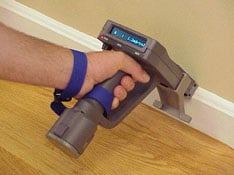
XRF testing NYC refers to the use of X-ray fluorescence technology to detect lead content in painted surfaces without damaging them. XRF devices emit low-level X-rays that measure the chemical composition of materials, instantly identifying the presence of lead.
Unlike traditional sampling methods, XRF testing provides immediate results and allows inspectors to assess multiple surfaces quickly and accurately.
Why XRF Testing Became the Industry Standard
XRF technology is widely accepted by regulatory agencies because of its precision, efficiency, and non-destructive nature. In a city like New York, where compliance and accuracy are essential, XRF has become the preferred method for professional inspections.
Key reasons XRF testing is the standard include:
High accuracy and reliability
Non-destructive testing process
Immediate on-site results
Recognition by NYC housing and health authorities
Because of these advantages, XRF lead testing NYC is commonly used for residential and multi-unit properties.
How XRF Testing Works for Lead Detection
XRF testing uses advanced instrumentation to analyze painted surfaces without removing samples.
The process typically includes:
Visual assessment of painted areas
XRF scanning of walls, trim, windows, and doors
Instant digital readings indicating lead presence
Documentation of tested areas and results
This efficient workflow makes XRF inspection NYC ideal for properties that require thorough yet minimally invasive testing.
Why Accuracy Matters in NYC Lead Inspections
Inaccurate testing can lead to missed hazards, legal exposure, or unnecessary remediation costs. XRF testing minimizes these risks by providing precise measurements of lead concentration.
Accurate results are especially important for:
Rental properties with compliance obligations
Buildings housing children under six
Properties undergoing renovation
Owners responding to city notices
This level of reliability is why XRF lead paint testing NYC is trusted across the city.
Non-Destructive Testing: A Major Advantage
One of the biggest benefits of XRF testing is that it does not damage walls or painted surfaces. This is especially valuable for occupied homes, apartments, and historic buildings.
Non-destructive testing allows:
Inspections without repairs afterward
Testing of multiple areas in one visit
Minimal disruption to residents
For NYC property owners, this makes XRF testing both practical and cost-effective.
When Should Property Owners Choose XRF Testing NYC?
XRF testing is recommended in many situations, particularly when comprehensive and compliant inspections are required.
Property owners should consider XRF testing when:
The building was constructed before 1978
Lead paint hazards are suspected
Compliance documentation is required
Renovation work may disturb painted surfaces
A city inspection or violation has been issued
Using professional XRF inspection NYC services helps ensure accurate results and regulatory acceptance.
XRF Testing vs Other Lead Testing Methods
While other testing methods exist, they often involve surface sampling, laboratory analysis, or partial destruction of materials.
Compared to alternatives, XRF testing offers:
Faster results
Broader surface coverage
Less disruption
Greater regulatory acceptance
These advantages reinforce why XRF has become the preferred option for lead detection in NYC.
Compliance Benefits of XRF Lead Paint Testing
NYC lead laws require property owners to identify and manage lead hazards effectively. XRF testing supports compliance by providing reliable documentation that meets city standards.
Benefits include:
Accepted inspection reports
Clear identification of risk areas
Easier follow-up planning if hazards are found
Reduced risk of enforcement disputes
For owners and landlords, this compliance support is essential.
Choosing a Trusted XRF Testing Provider in NYC
The accuracy of XRF testing depends on proper equipment and certified professionals. Selecting a local provider with NYC experience ensures inspections are performed correctly.
CleanNYC Lead and Mold Solutions 841 Knickerbocker Ave, Brooklyn, NY 11207 212-381-6001
A Brooklyn-based provider understands NYC building types, inspection protocols, and regulatory expectations.
Frequently Asked Questions (FAQ)
Is XRF testing accepted by NYC authorities?
Yes. XRF testing is widely accepted by NYC housing and health agencies when performed by certified professionals.
Does XRF testing damage walls or paint?
No. XRF testing is non-destructive and does not require removing paint or materials.
How long does an XRF inspection take?
Most inspections can be completed within a few hours, depending on property size and number of surfaces tested.
Is XRF testing required for all properties?
Not all properties require XRF testing, but it is strongly recommended for older buildings and compliance-related inspections.
What happens if lead is detected?
If lead is found, property owners must follow NYC-approved procedures to address the hazard and may need follow-up inspections.
Final Thoughts
So why is XRF testing NYC considered the industry standard for lead detection? Its unmatched accuracy, non-destructive approach, and regulatory acceptance make it the most reliable choice for protecting health and ensuring compliance.
In 2026, property owners who choose XRF testing benefit from faster results, fewer disruptions, and greater confidence in meeting NYC lead safety requirements.