
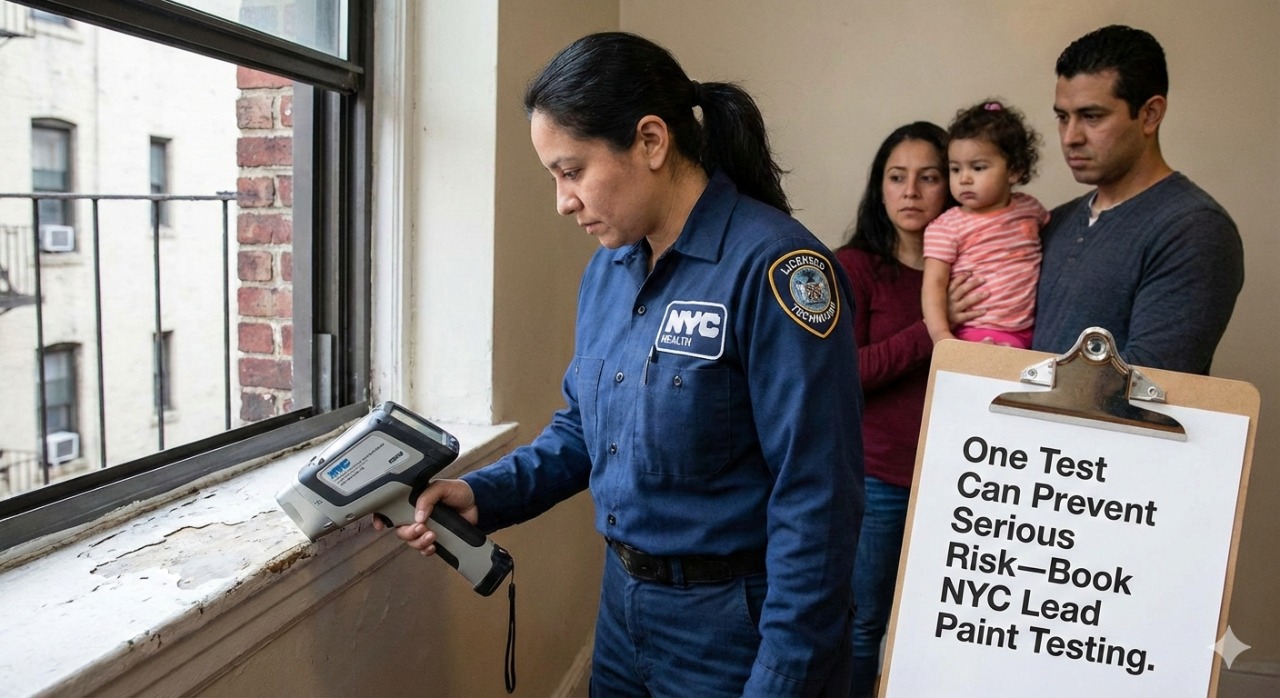
Lead-based paint remains one of the most significant environmental concerns in older residential and commercial buildings. Although lead paint was banned for residential use in the United States in 1978, millions of properties still contain painted surfaces that may pose potential health risks. For property owners, landlords, contractors, and real estate professionals, identifying these hazards is an important step toward maintaining safe and compliant buildings. This is where XRF lead-based paint testing plays a critical role.
X-Ray Fluorescence (XRF) technology has become the gold standard for lead paint inspections because it provides accurate, fast, and non-destructive results. Whether you are preparing for a renovation, purchasing a property, managing rental units, or conducting environmental due diligence, understanding the benefits of XRF testing can help you make informed decisions while protecting occupants from lead exposure.
Understanding Lead-Based Paint Hazards
Before lead paint regulations were introduced, lead was commonly added to paint products because it improved durability, color retention, and moisture resistance. While these qualities made paint more effective, they also created long-term health risks.
As paint ages, it may begin to:
- Peel and chip
- Crack and deteriorate
- Generate lead-contaminated dust
- Contaminate surrounding surfaces
Lead exposure can occur when individuals inhale or ingest lead dust particles. Children under six years old are particularly vulnerable because their developing bodies absorb lead more easily. Exposure may contribute to learning difficulties, behavioral challenges, developmental delays, and other health concerns.
Because many older properties still contain original paint layers, professional testing remains essential for identifying hidden hazards.
What Is XRF Lead-Based Paint Testing?
XRF lead-based paint testing is a specialized inspection method that uses X-Ray Fluorescence technology to detect lead within painted surfaces.
During the inspection, a certified professional uses a handheld XRF analyzer that directs low-level X-rays toward a painted surface. The device measures the response of the material and determines whether lead is present.
Unlike traditional paint sampling methods, XRF testing does not require removing paint chips or causing damage to walls, trim, ceilings, or other surfaces. Results are generated immediately, making the process efficient and highly effective.
How the XRF Testing Process Works
Professional XRF inspections follow a systematic process designed to provide accurate and comprehensive results.
Initial Property Review
The inspector evaluates the building and identifies areas where testing should be performed. Older painted surfaces typically receive the highest priority.
Surface Analysis
The XRF device is placed directly against painted components throughout the property. Measurements are collected in seconds.
Data Recording
Each reading is documented and stored electronically, allowing inspectors to build a complete picture of lead presence throughout the structure.
Final Report
After testing is complete, the property owner receives a detailed report outlining findings, locations of lead-based paint, and recommendations if corrective actions are necessary.
This approach allows for efficient evaluation without disrupting occupants or damaging property materials.
Benefits of XRF Lead-Based Paint Testing
Property owners increasingly rely on XRF inspections because of the many advantages they offer.
Non-Destructive Inspection
One of the most significant benefits is that painted surfaces remain completely intact during testing. There is no need to remove paint samples or create holes in walls.
Immediate Results
Traditional laboratory testing can take days or weeks to process. XRF technology delivers findings instantly, allowing decisions to be made quickly.
Exceptional Accuracy
Modern XRF analyzers provide highly reliable results and are recognized by regulatory agencies and environmental professionals.
Comprehensive Coverage
Inspectors can evaluate a large number of surfaces within a relatively short period, resulting in a more thorough inspection.
Cost Efficiency
The speed and effectiveness of XRF inspections often reduce overall project costs while providing detailed information about lead hazards.
When Is XRF Testing Recommended?
Several situations make XRF lead paint testing particularly valuable.
Before Renovation or Remodeling
Construction activities can disturb existing paint and release hazardous dust. Testing before work begins helps contractors implement lead-safe practices.
During Property Purchases
Buyers often use lead inspections to better understand environmental risks associated with older buildings.
Rental Property Management
Landlords can use testing reports to support compliance efforts and demonstrate proactive property maintenance.
School and Childcare Facilities
Buildings occupied by children require special attention because of the increased health risks associated with lead exposure.
Historic Building Restoration
Preservation projects frequently involve older structures where lead paint may still be present beneath newer coatings.
Important LSI Keywords Related to XRF Lead Testing
Several related services and concepts support comprehensive lead hazard management.
Lead Paint Inspection
A professional examination used to identify surfaces that contain lead-based paint.
Lead Risk Assessment
A detailed evaluation that identifies potential exposure pathways and hazard severity.
Lead Hazard Testing
A broader category of testing designed to detect lead contamination in various forms.
Environmental Lead Inspection
An assessment that examines environmental health concerns associated with lead-containing materials.
Lead Abatement Services
Specialized procedures used to permanently eliminate or control identified lead hazards.
Together, these services help property owners create safer environments while meeting regulatory requirements.
Regulatory Compliance and Lead Safety
Many local, state, and federal regulations require property owners to address lead-related concerns, particularly in residential buildings occupied by young children.
Compliance efforts often include:
- Routine inspections
- Prompt repair of deteriorated paint
- Lead-safe work practices
- Proper documentation
- Hazard mitigation when necessary
Professional XRF testing provides valuable documentation that supports compliance and demonstrates a commitment to occupant safety.
What Happens If Lead Is Found?
Finding lead-based paint does not necessarily mean a building is unsafe. The appropriate response depends on the condition, location, and extent of the hazard.
Common solutions include:
Encapsulation
Applying specialized coatings that seal lead-containing surfaces and prevent exposure.
Surface Stabilization
Repairing damaged paint to reduce dust generation and deterioration.
Lead Abatement
Permanent removal or containment of lead hazards through approved methods.
Ongoing Maintenance
Regular inspections and maintenance programs designed to keep painted surfaces in safe condition.
A qualified lead professional can recommend the most appropriate strategy after reviewing inspection results.
Choosing a Qualified XRF Testing Provider
Selecting an experienced inspection company is essential for obtaining reliable results.
Property owners should look for:
- Certified lead inspectors
- Advanced XRF equipment
- Experience with lead regulations
- Comprehensive inspection reports
- Strong industry reputation
- Clear recommendations and guidance
A knowledgeable provider can help property owners understand findings and determine the best course of action.
Conclusion
Professional XRF lead-based paint testing remains one of the most effective methods for identifying lead hazards in older buildings. The technology provides accurate, immediate, and non-destructive results, making it an ideal solution for property owners, landlords, contractors, and real estate professionals.
Whether you are planning renovations, purchasing a property, managing rental units, or maintaining a historic structure, XRF testing offers valuable insights that support safety, compliance, and informed decision-making. By identifying potential hazards early and taking appropriate corrective measures, property owners can protect occupants while preserving the value and integrity of their properties.
FAQs
1. What is the main advantage of XRF lead-based paint testing?
The biggest advantage is that it provides accurate results instantly without damaging painted surfaces.
2. Is XRF testing accepted for regulatory compliance?
Yes. XRF testing is widely recognized and accepted by environmental professionals and regulatory agencies.
3. Can XRF testing identify lead beneath multiple paint layers?
Yes. The technology can detect lead even when several layers of newer paint cover older lead-based coatings.
4. How long does an XRF inspection take?
Inspection times vary based on property size, but many residential inspections can be completed within a few hours.
5. Should I test my property if there is no visible paint damage?
Yes. Lead-based paint may still be present beneath intact surfaces, making professional testing a valuable precaution for older buildings.