
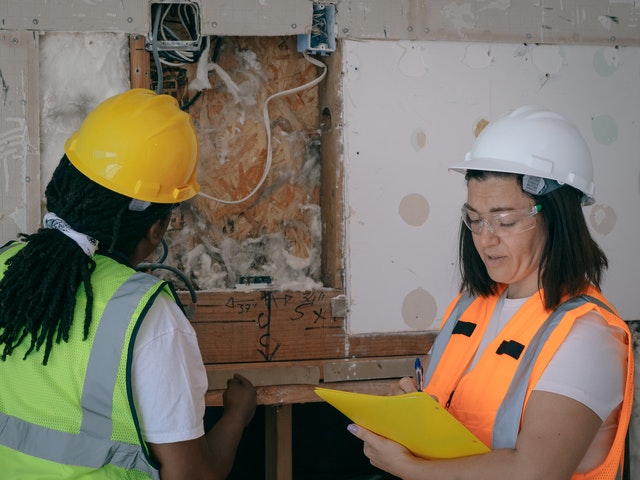
New York City’s buildings are known for their history and character, but many of them were built during a time when lead-based materials were commonly used. While these structures remain valuable, they may also carry hidden environmental risks. This is why scheduling a is an important step for homeowners, landlords, and property managers who want to ensure safe and compliant living conditions.
Lead exposure is not always visible, and without proper testing, it can go unnoticed for years. Professional inspections help identify risks early and provide clear guidance for maintaining a healthy indoor environment.
Understanding the Risks of Lead Exposure
Lead is a toxic metal that can cause serious health issues, especially in children and pregnant women. Even low levels of exposure may lead to developmental delays, learning difficulties, and other long-term health problems.
In many NYC buildings constructed before 1978, layers of older paint may still contain lead. Over time, as paint deteriorates, it can create dust or chips that contaminate living spaces.
This makes professional lead paint testing NYC essential for identifying potential hazards before they become dangerous.
Where Lead Is Commonly Found in Homes
Lead-based materials are most often found in areas that experience frequent use or wear. During inspections, professionals focus on high-risk surfaces such as:
- Windows and window sills
- Doors and frames
- Walls and ceilings
- Baseboards and trims
- Stair railings and banisters
These areas are more likely to release lead dust due to friction or aging. To accurately detect contamination, experts often use XRF lead testing NYC, which allows for quick and non-destructive analysis.
How Professional Lead Testing Works
A professional inspection involves a detailed assessment of the property to determine where lead may be present. Inspectors use specialized equipment and proven techniques to ensure accurate results.
Common Testing Methods Include:
XRF Testing
A handheld device scans painted surfaces and provides instant readings without damaging the material.
Paint Chip Sampling
Small samples are collected and analyzed in a laboratory to confirm the presence of lead.
Dust Wipe Testing
Surface samples are taken to measure lead dust levels, particularly after renovations.
These methods are part of comprehensive lead inspection services NYC, helping property owners understand the full extent of potential risks.
When You Should Schedule a Lead Test
Lead testing is recommended in several key situations, especially for older properties.
Before Buying or Selling a Home
Testing ensures transparency and helps avoid unexpected issues during real estate transactions.
During Renovation Projects
Disturbing painted surfaces can release hazardous dust. Testing beforehand helps maintain safe conditions.
Rental Property Compliance
Landlords must follow strict safety laws to protect tenants. Conducting NYC lead compliance testing helps meet these requirements.
Health or Safety Concerns
If you notice peeling paint or suspect exposure, testing should be scheduled as soon as possible.
Benefits of Professional Lead Testing
Hiring professionals for environmental lead testing NYC offers several advantages:
Accurate Results
Advanced tools ensure precise detection of lead in different surfaces.
Non-Destructive Methods
Modern testing allows for thorough inspections without damaging property.
Detailed Reports
Inspection reports provide clear insights and recommendations for next steps.
Compliance Support
Professional services help ensure adherence to NYC housing regulations.
NYC Regulations and Lead Safety Requirements
New York City has implemented strict laws to reduce the risk of lead exposure, particularly in residential properties. Property owners are responsible for maintaining safe conditions and addressing any hazards promptly.
Responsibilities May Include:
- Repairing peeling or damaged paint
- Conducting regular inspections
- Maintaining documentation of testing
- Ensuring safe environments for children
Failing to comply with these regulations can result in fines and legal issues, making regular testing an important part of property management.
Why Early Detection Is Essential
Lead hazards often develop gradually and may not show obvious signs. Early detection through lead hazard testing NYC allows property owners to take action before problems escalate.
Key Advantages:
- Protecting families and tenants
- Preventing costly repairs
- Avoiding legal complications
- Maintaining property value
- Ensuring long-term safety
Proactive testing is the best way to manage risks in older buildings.
Choosing a Trusted Lead Testing Company
Selecting a reliable inspection provider is crucial for accurate and compliant results. Experienced professionals understand local regulations and use advanced technology to conduct thorough evaluations.
Companies like CleanNYC Lead and Mold Solutions offer professional testing services across New York City. Their certified inspectors help property owners identify hazards, meet legal requirements, and maintain safe living environments.
Maintaining a Lead-Safe Environment
In addition to testing, property owners can take simple steps to reduce the risk of lead exposure:
- Repair peeling or damaged paint quickly
- Keep living areas clean and dust-free
- Use safe practices during renovations
- Schedule periodic inspections
- Monitor high-risk areas for wear and tear
Combining these practices with professional testing helps create a safer indoor environment.
Frequently Asked Questions
How long does a lead test take?
Most inspections take between 30 minutes and a few hours, depending on the size of the property.
Is lead testing necessary for all older homes?
While not always required, it is strongly recommended for buildings constructed before 1978.
Can lead be present without visible damage?
Yes. Lead can exist beneath intact paint layers and still pose a risk.
What is the most reliable testing method?
XRF testing is widely considered one of the most accurate and efficient methods available.