
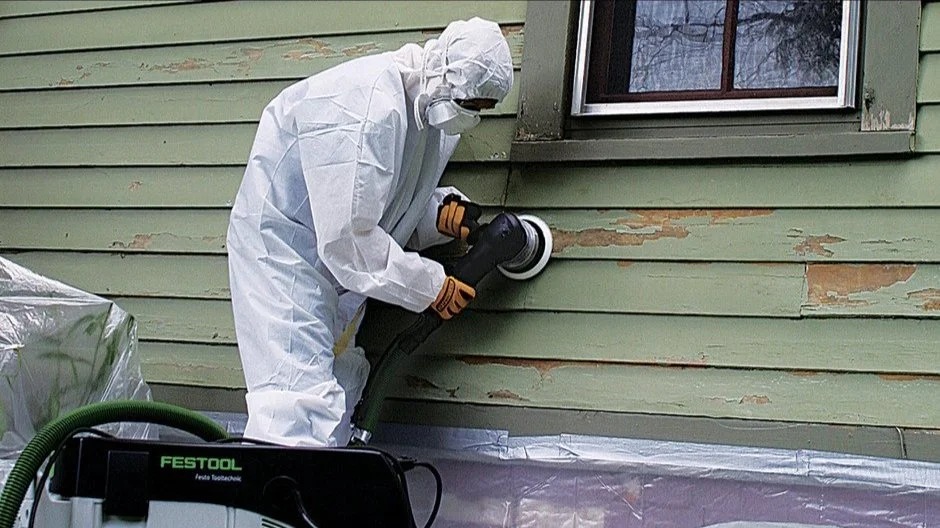
Moving into a new apartment in New York City should feel exciting—not stressful. But for many families, especially those with young children, one major concern stands out: hidden lead hazards. With many NYC buildings built before 1960, it’s no surprise that families are becoming more proactive and scheduling a lead test NYC before signing a lease or unpacking boxes.
At CleanNYC Lead and Mold Solutions, located at 841 Knickerbocker Ave, Brooklyn, NY 11207 (mobile: 2123816001), families across NYC trust our certified inspectors to verify whether their new home is truly safe.
This blog explains why pre-move lead testing is becoming a smart—and essential—step for renters and homeowners.
Why Lead Exposure Is Still a Serious Problem in NYC
Even with modern regulations, lead paint remains one of the biggest health risks in New York City homes. Dust from old lead paint—often invisible to the naked eye—can settle on toys, floors, and furniture. When inhaled or ingested, it can harm:
Brain development
Learning ability
Behavior
Nervous system
Children under 6 are especially vulnerable because their bodies absorb lead faster.
Many families assume landlords have removed or addressed lead hazards. Unfortunately, many units still contain peeling paint, contaminated dust, or unmonitored renovation damage. That’s why lead testing NYC has become a critical step before move-in.
Why Families Are Now Requesting a Lead Test NYC Before Moving In
Below are the top reasons more families than ever are requesting lead inspections ahead of time.
1. NYC’s Older Housing Stock Is High-Risk
Most NYC apartments—especially in Brooklyn, Manhattan, and the Bronx—were built long before lead was banned in residential paint. Even a “renovated” apartment may still contain:
Lead under multiple layers of paint
Old window frames releasing dust
Contaminated surfaces behind patched walls
A lead test NYC identifies these risks before families commit to a lease.
2. Landlords Are Not Always Required to Test Before Renting
Under Local Law 31, certain units must undergo inspection—but only for specific building types, age groups, or tenant situations. Not all apartments get tested.
Families who do not want to take chances schedule their own lead inspection NYC to be absolutely sure.
3. Renovations Can Disturb Old Lead Paint
Even a beautifully renovated home may be hiding contamination created during construction. That includes:
Grinding
Sanding
Drilling
Scraping
Window replacement
If these projects weren’t done following lead-safe renovation practices, the apartment may contain harmful dust.
A professional NYC lead inspector uses advanced tools like XRF analyzers to determine whether lead remains in surfaces that appear safe.
4. Peace of Mind Before Signing a Lease
Families don’t want surprises after moving in. A lead test NYC offers clarity:
Is the paint safe?
Are the windows releasing dust?
Are the closets, bedrooms, or baseboards contaminated?
Is the apartment safe for children?
With an inspection report, families can negotiate repairs—or walk away.
5. Protecting Children’s Health Is Non-Negotiable
Lead exposure can cause irreversible health effects. Parents are more aware today thanks to:
Social media awareness
NYC Health Department campaigns
School requirements
Pediatric recommendations
Now, requesting lead testing NYC is seen as responsible, not overcautious.
What Happens During a Lead Test NYC?
A certified inspector follows a structured process to give families accurate results.
Step 1: Visual Examination
Inspectors look for peeling paint, cracking surfaces, dust buildup, or renovation issues.
Step 2: XRF Lead Testing (Most Accurate Method)
A handheld device scans surfaces in seconds and instantly detects lead. This method is:
Non-destructive
Fast
Highly accurate
Required for Local Law 31 inspections
Step 3: Dust Wipe Sampling
Floors, window sills, and wells are wiped to detect lead dust particles.
Step 4: Lab Analysis & Report
Families receive a detailed report explaining:
Locations of lead hazards
Levels of contamination
Repairs required
Legal obligations for landlords
A trusted NYC lead inspector ensures results are clear and understandable.
How CleanNYC Lead and Mold Solutions Helps Families Stay Safe
CleanNYC Lead and Mold Solutions provides:
Residential lead inspections
XRF testing
Dust wipe analysis
Pre-move safety assessments
Landlord compliance inspections
Lead-safe renovation guidance
Our team ensures families have accurate information before they move into a new home.
FAQ: Lead Test NYC — What Families Ask Most
1. Do all NYC apartments need a lead inspection?
Not all, but any home built before 1960 is considered high-risk. Testing is strongly recommended.
2. Can landlords refuse to fix lead hazards?
No. If hazards are confirmed, NYC law requires landlords to correct them.
3. How long does a typical lead test take?
Most inspections take 45–90 minutes, depending on apartment size.
4. Is XRF testing safe for kids and pets?
Yes. It emits a tiny, controlled beam and is completely non-invasive.
5. Will I receive a written report?
Yes. A full, easy-to-read report is provided for documentation, legal protection, and negotiations.
Conclusion
Families across the city are choosing to schedule a lead test NYC before moving into apartments—and for good reason. With aging buildings, inconsistent landlord testing, and the serious health risks of lead exposure, proactive testing is the best way to ensure a safe home.
Whether you’re moving to Brooklyn, Manhattan, Queens, the Bronx, or Staten Island, CleanNYC Lead and Mold Solutions helps you move in with confidence. A quick inspection today can prevent long-term health issues tomorrow.