
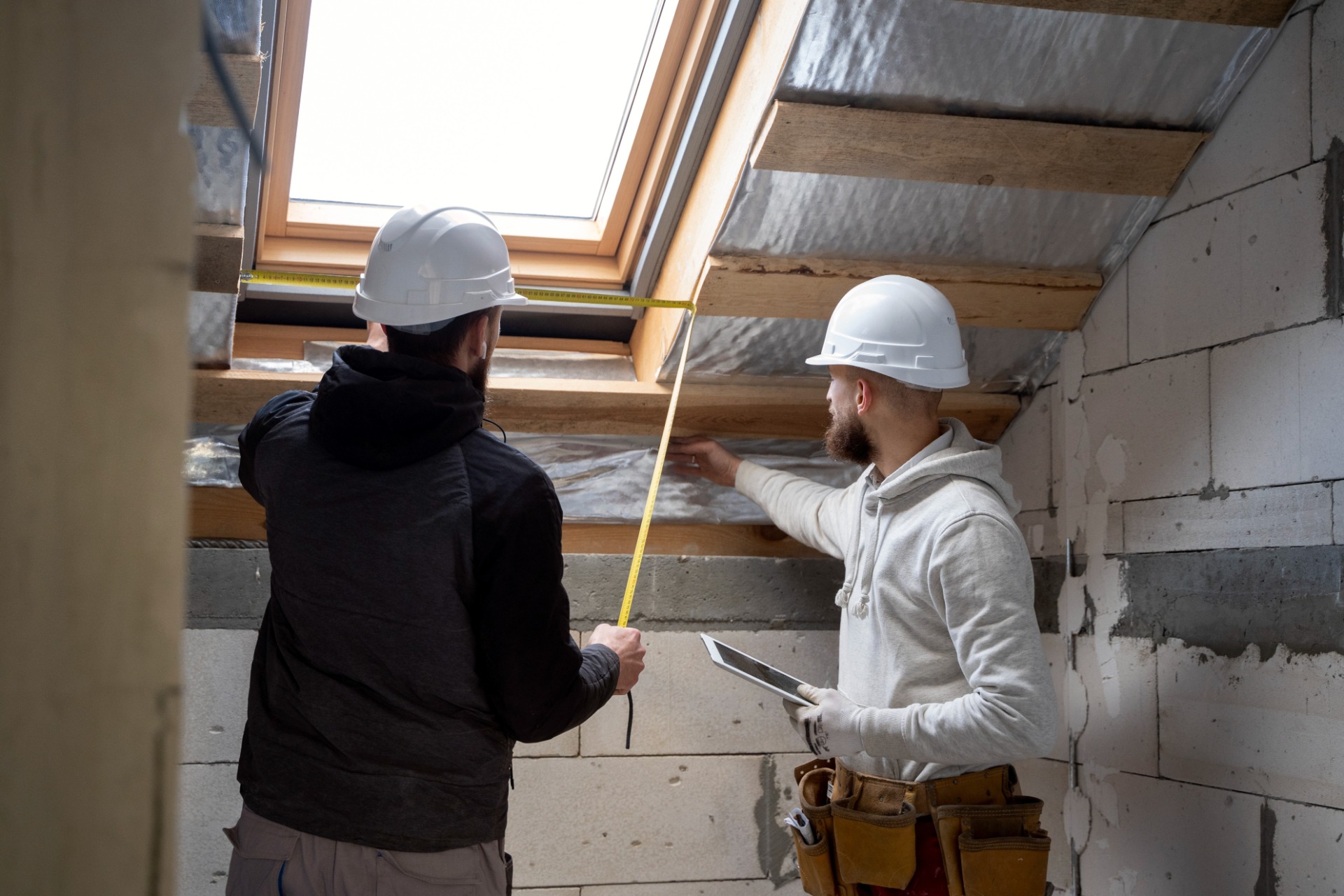
Living in New York City offers unmatched convenience, culture, and opportunity—but many residential buildings across the five boroughs were built decades before modern safety standards existed. One of the most serious hidden risks in older housing stock is lead-based paint. This is where NYC lead paint testing becomes essential—not only for legal compliance but for protecting health, property value, and long-term peace of mind.
Whether you are a homeowner, landlord, property manager, or tenant, understanding when and why lead paint testing is required in NYC can help you make informed decisions and avoid costly consequences.
Understanding Lead Paint in NYC Homes
Lead-based paint was commonly used in residential construction until it was banned in the U.S. in 1978. Unfortunately, NYC has one of the oldest housing inventories in the country, meaning thousands of apartments, townhouses, and multi-family buildings still contain lead paint beneath layers of newer coatings.
When lead paint is intact, it may not pose an immediate danger. But once it begins to chip, peel, crack, or turn into dust, it can contaminate living spaces—especially windowsills, doors, stairwells, and high-traffic areas.
This is why NYC lead paint testing focuses not just on visible paint but on potential exposure risks throughout the home.
Why Lead Paint Is a Serious Health Concern
Lead is a toxic metal with no safe level of exposure. Even small amounts can have long-lasting health effects, particularly for children and pregnant women.
Health Risks of Lead Exposure
Children: Developmental delays, learning difficulties, behavioral problems, reduced IQ
Pregnant women: Increased risk of miscarriage, premature birth, and fetal development issues
Adults: High blood pressure, kidney damage, neurological problems
Because lead poisoning often shows no immediate symptoms, testing is the only reliable way to identify the risk before harm occurs.
When NYC Lead Paint Testing Is Required
NYC has strict regulations around lead safety, especially in residential properties. Testing may be required or strongly recommended in several situations.
1. Buildings Constructed Before 1978
If your residential property was built before 1978, it is automatically considered high-risk for lead-based paint. Even if the paint appears intact, underlying layers may still contain lead.
Professional NYC lead paint testing helps confirm whether lead is present and where it is located.
2. Homes or Apartments with Children Under Six
Under NYC Local Law 1 of 2004, landlords must take proactive steps to identify and remediate lead hazards in apartments where children under six years old reside.
This includes:
Regular inspections
Addressing peeling or deteriorating paint
Conducting lead inspection NYC services when hazards are suspected
Failing to test and remediate can result in significant violations and penalties.
3. Before Renovation or Remodeling Projects
Renovation activities like sanding, drilling, or scraping can disturb lead paint and release toxic dust into the air.
Before starting any renovation in an older residential property, NYC lead paint testing is critical to:
Identify lead-containing surfaces
Follow EPA Renovation, Repair, and Painting (RRP) rules
Protect occupants and workers
Skipping testing before renovation is one of the most common—and dangerous—mistakes property owners make.
4. Buying or Selling a Residential Property
If you are purchasing or selling a home in NYC, lead paint testing provides transparency and protects both parties.
For buyers:
Avoid unexpected remediation costs
Protect your family’s health
For sellers:
Address issues before inspections
Increase buyer confidence
Prevent deal delays
5. Tenant Complaints or Health Concerns
If tenants report peeling paint, dust buildup, or unexplained health symptoms, a lead inspection NYC assessment should be conducted immediately.
Proactive testing can prevent escalation, legal disputes, and emergency violations from city agencies.
Why Professional NYC Lead Paint Testing Matters
DIY lead test kits may seem convenient, but they often produce unreliable or incomplete results. In NYC, professional testing is the gold standard for accuracy and compliance.
Benefits of Professional Testing
Accurate identification of lead-based paint
Room-by-room and surface-specific analysis
Documentation suitable for compliance and legal purposes
Guidance on next steps if lead is found
Professional NYC lead paint testing provides clarity—not guesswork.
How NYC Lead Paint Testing Is Performed
Testing methods vary depending on the property type, condition, and regulatory requirements.
Common Testing Approaches
XRF (X-ray fluorescence) testing: Non-destructive, fast, and highly accurate
Paint chip sampling: Lab-tested samples from specific surfaces
Risk assessments: Evaluation of lead hazards, not just presence
A certified inspector determines the best approach based on your residential property’s needs.
Residential Properties Most at Risk in NYC
Certain types of housing are more likely to contain lead-based paint.
High-Risk Residential Property Types
Pre-war apartment buildings
Brownstones and townhouses
Multi-family rental units
Rent-stabilized or rent-controlled apartments
Homes undergoing frequent turnover
In these properties, NYC lead paint testing is not just a precaution—it’s a responsibility.
Legal and Financial Consequences of Skipping Testing
Failing to test for lead paint can lead to serious consequences.
Potential Risks
NYC Department of Health violations
HPD enforcement actions
Costly emergency remediation orders
Lawsuits from tenants
Reduced property value
Testing early is far more affordable than reacting after a violation or exposure incident.
How Lead Testing Protects Property Value
Lead hazards don’t just affect health—they impact long-term property value.
By investing in NYC lead paint testing, property owners can:
Identify risks before they escalate
Plan controlled remediation
Demonstrate responsible ownership
Preserve resale and rental appeal
Safe properties are more attractive to tenants, buyers, and insurers alike.
Choosing the Right NYC Lead Paint Testing Partner
Not all testing services are equal. It’s important to work with experienced professionals who understand NYC regulations and residential housing challenges.
CleanNYC Lead and Mold Solutions provides reliable testing services for residential properties across New York City, with a focus on accuracy, compliance, and clear guidance.
Business Details CleanNYC Lead and Mold Solutions | 841 Knickerbocker Ave, Brooklyn, NY 11207 | 212-381-6001
Frequently Asked Questions (FAQ)
Is NYC lead paint testing mandatory for all homes?
Testing is not mandatory for every home, but it is required or strongly recommended for pre-1978 residential properties, especially those with young children or renovation plans.
How long does lead paint testing take?
Most residential inspections can be completed in a single visit, with results available quickly depending on the testing method used.
Can tenants request lead testing?
Yes. Tenants can request inspections if they suspect lead hazards, especially in older buildings or apartments with children.
Is lead paint always visible?
No. Lead paint is often hidden beneath newer layers, which is why professional testing is essential.
What happens if lead is found?
If lead is detected, property owners receive guidance on next steps, which may include monitoring, containment, or remediation depending on risk levels.
Final Thoughts: Why NYC Lead Paint Testing Is a Smart Decision
Lead hazards are silent, serious, and preventable. In a city like New York—where older residential properties are the norm—NYC lead paint testing is one of the most important steps you can take to protect health, comply with regulations, and safeguard your investment.
Whether you’re maintaining a rental unit, planning renovations, or simply ensuring a safe home for your family, testing provides clarity and confidence. Identifying risks early allows you to act responsibly—before lead becomes a problem you can’t ignore.