
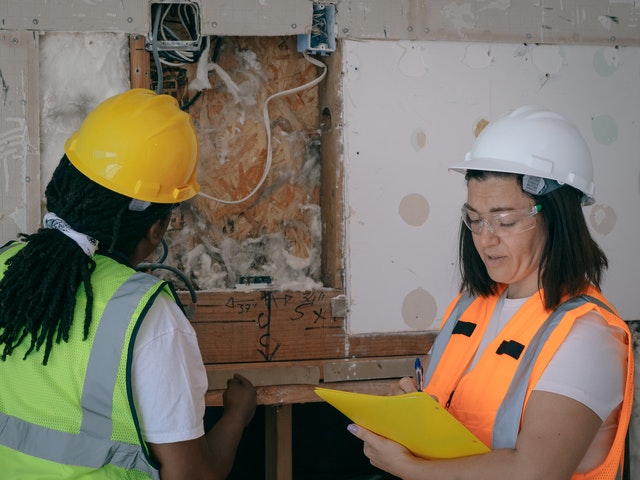
Lead exposure remains one of New York City’s most serious environmental health concerns—especially in older homes and rental buildings. Whether you own, rent, or manage a property, understanding NYC lead testing laws isn’t optional. It’s a legal responsibility that protects residents, prevents violations, and helps maintain a safe living environment.
In this guide, we break down NYC lead regulations in simple terms so you know exactly what to do, when to test, and how to stay compliant.
Why Lead Regulations in NYC Are So Strict
New York City has some of the oldest housing structures in the country, many built before the 1960 ban on lead-based paint. When deteriorated, old paint becomes toxic dust—affecting children, pregnant mothers, and even adults.
That’s why the city requires NYC lead testing and strict record-keeping, especially in rental properties. These laws help reduce exposure and hold landlords accountable for building safety.
NYC Lead Testing Laws You Must Know
1. Local Law 1 – Lead Paint Hazards in Housing
Local Law 1 of 2004 requires landlords to:
Conduct NYC lead inspection in units where a child under 6 lives
Inspect apartments every year for peeling paint
Fix hazards using certified professionals
Maintain proof of testing and remediation
If you fail to comply, the fines can be substantial—and the city can issue violations even without tenant complaints.
2. Lead Testing Requirements for Rental Properties
Here are the main responsibilities for building owners:
✔ Annual Visual Lead Hazard Inspections
Every year, landlords must check:
Peeling paint
Friction surfaces (windows, doors)
Common areas
✔ Mandatory XRF Lead Testing
By law, owners must complete lead testing NYC in:
All rental units
All common areas
Any pre-1960 building (and some built before 1978)
Testing must be completed by certified lead inspectors, not handymen.
3. Lead Testing When Renovating or Remodeling
If your NYC property was built before 1978, EPA RRP regulations require:
Using a certified renovation firm
Testing surfaces before disturbing paint
Following safe work practices
Proper cleanup and dust clearance testing
Skipping this can trigger heavy fines.
4. Residential Lead Testing NYC – Homeowners Are Also Responsible
Lead hazards aren’t limited to rental or commercial buildings. Homeowners should consider residential lead testing NYC if:
Your home was built before 1978
Paint is peeling or deteriorating
You’re planning renovations
A child or pregnant woman lives in the home
Testing helps detect hidden lead in:
Paint
Dust
Soil
Water
Consumer products
Penalties for Skipping NYC Lead Testing
NYC imposes strict enforcement and substantial penalties, including:
Civil penalties ranging $500 to $10,000+
Repeated violations escalating to daily fines
Mandatory corrective work orders
Potential lawsuits from tenants
DOB or HPD violation tags
Simply put: “I didn’t know” is not a valid excuse.
How CleanNYC Lead and Mold Solutions Helps You Stay Compliant
At CleanNYC Lead and Mold Solutions, we provide certified, reliable testing that meets all NYC legal requirements.
Our Services Include:
Full NYC lead inspection
XRF lead paint testing
Dust wipe sampling
Residential and commercial compliance checks
Renovation pre-testing
Clearance testing
Detailed reports for HPD, DOHMH & DOB compliance
Business Information
CleanNYC Lead and Mold Solutions 841 Knickerbocker Ave, Brooklyn, NY 11207 | 212-381-6001
Our certified inspectors ensure your property meets all NYC regulations—while protecting occupants from harmful exposure.