
Lead exposure remains one of the most critical health risks in older New York City homes. Buildings constructed before 1978 often contain lead-based paints and other materials that can deteriorate over time, releasing toxic dust and particles. Families, landlords, and property managers alike need to understand the importance of NYC lead testing to ensure safe living spaces.
This ultimate checklist will guide you through everything you need to know about lead testing, inspections, and remediation, ensuring your home remains safe and compliant with local regulations.
Why NYC Lead Testing Is Essential
Lead is a toxic metal that can cause serious health issues if ingested or inhaled. Children and pregnant individuals are particularly vulnerable, but adults can also suffer long-term consequences from prolonged exposure.
Health Risks of Lead Exposure
Children: Impaired brain development, learning difficulties, behavioral problems
Adults: Kidney damage, high blood pressure, reproductive health issues
Pregnant Residents: Miscarriage, premature birth, developmental problems in the fetus
Even small amounts of lead dust from old paint or renovations can be dangerous, which makes lead paint testing NYC and inspections critical.
When to Schedule NYC Lead Testing
Knowing the right time to schedule NYC lead testing can prevent serious hazards before they become health crises. Consider testing in the following scenarios:
Homes Built Before 1978: Older properties are more likely to contain lead-based paint.
Before Renovation Projects: Any disturbance of old paint can release lead dust.
If Children Are Present: Homes with young children should be proactively tested.
Visible Paint Damage: Chipped, peeling, or deteriorated paint can indicate hazards.
During Real Estate Transactions: Buyers or renters in older buildings should request testing.
NYC Lead Testing Checklist: Step-by-Step
To make your lead testing process thorough and effective, follow this step-by-step checklist:
Step 1: Identify High-Risk Areas
Focus on areas where lead paint is most likely to be present:
Windowsills and frames
Door frames and trims
Stair rails
Baseboards
Interior walls in older apartments
Step 2: Hire Certified Professionals
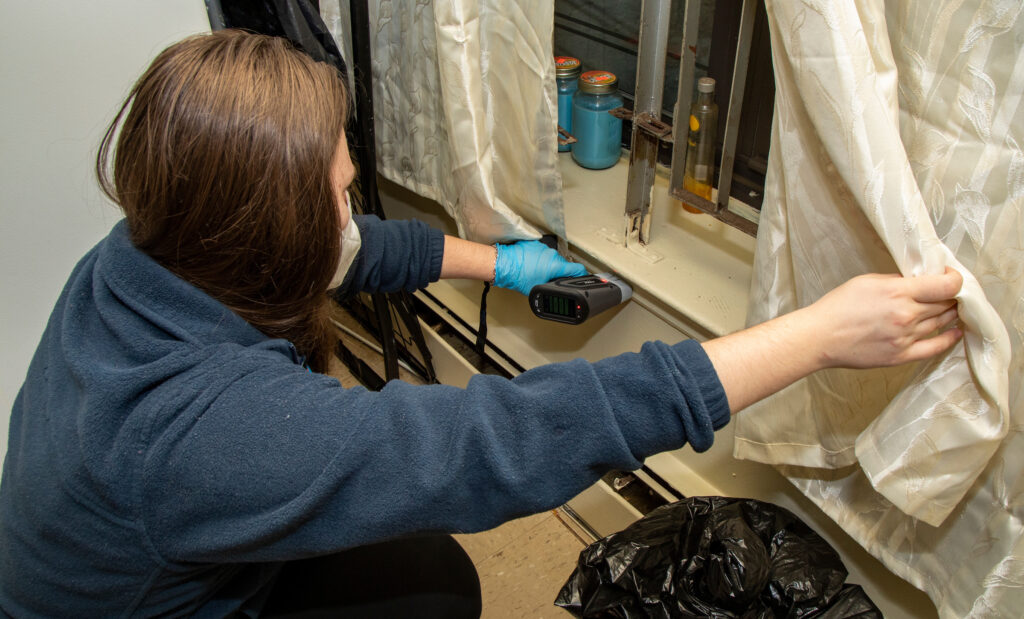
Certified inspectors follow lead inspection NYC protocols. They use advanced tools such as XRF (X-ray fluorescence) to detect lead without causing damage. Professional services provide legally recognized results, unlike DIY test kits.
Step 3: Non-Destructive Testing
XRF technology is the industry standard for lead testing services NYC. It detects lead in paint, soil, and other surfaces safely and efficiently. This method provides instant readings and eliminates guesswork.
Step 4: Laboratory Analysis
In some cases, inspectors will take samples to an EPA-certified laboratory to confirm results. This ensures precise measurement of lead levels in paint, dust, or soil.
Step 5: Comprehensive Reporting
A professional report should include:
Exact locations of lead hazards
Measured levels of lead contamination
Recommended remediation strategies
Safety precautions during renovations
Step 6: Remediation Planning
Depending on results, remediation may involve:
Removing or encapsulating lead-based paint
Cleaning dust and debris using lead-safe practices
Ongoing monitoring to prevent future hazards
DIY Testing vs Professional NYC Lead Testing
While DIY kits are available, they are not as reliable as professional inspections. Key limitations of DIY methods include:
Lower accuracy for low-level lead concentrations
No legally recognized certification for real estate or rental compliance
Lack of guidance for safe removal or remediation
Professional lead paint testing NYC ensures safety, accuracy, and regulatory compliance.
Common Areas Tested During NYC Lead Inspections
Lead inspection NYC services typically focus on high-risk areas such as:
Interior walls and ceilings
Window frames and sills
Door and stair trims
Kitchen and bathroom surfaces
Floors and baseboards
Targeting these areas ensures that both visible and hidden hazards are identified.
Benefits of NYC Lead Testing
Conducting proper lead testing in NYC offers multiple benefits:
Health Protection: Keeps children, pregnant residents, and adults safe from toxic exposure.
Legal Compliance: Ensures landlords meet NYC and federal regulations.
Renovation Safety: Identifies hazards before painting, demolition, or remodeling.
Peace of Mind: Confirms that your living space is free from dangerous lead contamination.
Property Value Maintenance: Safe, tested homes are more attractive to buyers and renters.
Tips for Homeowners and Renters in NYC
Homeowners: Schedule routine lead inspections, especially for pre-1978 properties.
Renters: Request lead inspection reports from landlords before signing a lease.
During Renovation: Use certified lead-safe contractors and follow proper containment procedures.
Children & Pregnant Residents: Limit exposure to older painted surfaces until hazards are mitigated.
FAQ About NYC Lead Testing
1. What is NYC lead testing?
NYC lead testing identifies the presence of lead in paint, dust, or soil. Certified inspections provide detailed reports and safety recommendations.
2. How long does lead testing take?
Inspections usually take a few hours for standard apartments but can take longer for larger or multiple-unit buildings.
3. Is NYC lead testing required by law?
Lead inspections are required in certain scenarios, including rentals, real estate transactions, and pre-renovation assessments in buildings constructed before 1978.
4. Can lead hazards be removed safely?
Yes. Certified contractors follow strict lead-safe work practices to remove or contain lead-based materials without putting occupants at risk.
5. How often should homes be tested?
Homes built before 1978 should be tested every 5–10 years or before any renovation that disturbs paint or surfaces.
Choosing the Right NYC Lead Testing Service
When selecting a lead testing provider, look for the following:
Certification & Licensing: Inspectors should be EPA or HUD-certified.
Experience in NYC Buildings: Local expertise ensures accurate identification of high-risk areas.
Use of Advanced Tools: Non-destructive XRF testing is the safest and most reliable method.
Detailed Reporting: Reports should include actionable guidance for remediation.
Customer Reputation: Positive reviews indicate professionalism and reliability.
CleanNYC Lead and Mold Solutions provides all these services, combining certified inspections, non-destructive testing, and detailed reporting to ensure safe living environments.
Conclusion: Keep Your NYC Home Safe
Lead exposure is a serious but preventable risk in New York City homes. By following this NYC lead testing checklist, property owners and renters can protect their families, maintain legal compliance, and ensure a healthy living environment.
Whether you’re planning a renovation, buying a property, or simply taking proactive measures, professional lead paint testing NYC services from CleanNYC Lead and Mold Solutions ensure that your home remains safe from hidden hazards.
Invest in certified inspections today to safeguard your health and property for years to come.
Business Information: CleanNYC Lead and Mold Solutions 841 Knickerbocker Ave, Brooklyn, NY 11207 | 212-381-6001