
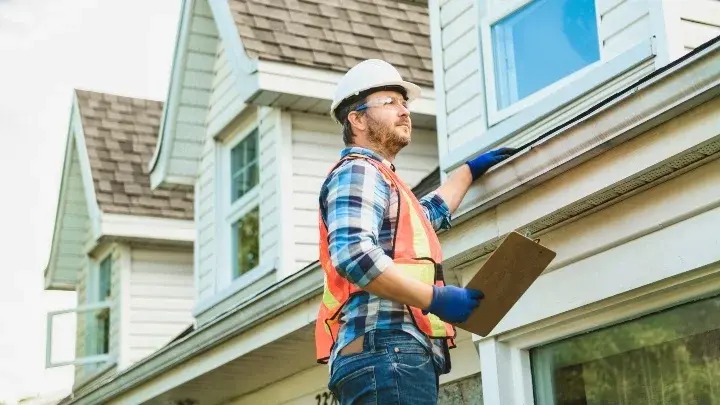
Lead exposure remains one of the most serious environmental health risks in New York City—especially for families living in pre-war buildings. With strict laws like Local Law 1, the HPD lead inspection NYC requirements, and mandatory assessments for rental units, landlords and property managers cannot afford to take chances.
That’s where lead paint testing NYC comes in. Thorough testing not only protects tenants from lead hazards but also helps property owners avoid costly violations, lawsuits, and compliance penalties.
At CleanNYC Lead and Mold Solutions, located at 841 Knickerbocker Ave, Brooklyn, NY 11207 | 212-381-6001, our certified experts help you identify risks early, stay compliant, and maintain a safe environment for families.
Why Lead Hazards Are a Serious Issue in NYC
Many residential buildings throughout Manhattan, Brooklyn, Queens, and the Bronx were constructed long before 1960—when lead-based paint was widely used. Over time, that paint breaks down, resulting in dangerous lead dust on:
Window sills
Door frames
Baseboards
Floors
High-touch surfaces
Even tiny particles can cause severe health problems, especially in children. Landlords and property owners are legally obligated to ensure their buildings are safe—and NYC lead paint assessment is the first step to fulfilling that responsibility.
Why Lead Paint Testing NYC Is Essential for Compliance
1. Prevent HPD Violations Before They Happen
Each year, the NYC Department of Housing Preservation & Development (HPD) issues thousands of lead-related violations. These violations can come from:
Failure to complete required lead testing
Not remediating lead hazards
Not maintaining proper documentation
Improper renovation practices
By completing certified lead paint testing NYC, landlords create a compliance record that proves due diligence—helping avoid unnecessary penalties.
2. Stay Aligned with Local Law 1 Requirements
Local Law 1, NYC’s primary lead safety law, requires:
Lead inspection NYC for all units where children under 6 live or regularly visit
Annual safety notices
Immediate correction of peeling paint
Proper documentation for all repairs and assessments
Skipping these steps can lead to HPD violations, emergency repairs, and legal consequences. Testing ensures you stay compliant from the beginning.
3. Protect Tenants and Reduce Health Risks
A professional NYC lead paint assessment identifies hidden hazards that are impossible to detect visually. Lead dust is microscopic and can cause:
Brain and nerve damage in children
Learning disabilities
Behavioral problems
High blood pressure
Reproductive issues
Testing creates a safer environment while reducing long-term liability.
How Lead Paint Testing NYC Works
At CleanNYC Lead and Mold Solutions, we follow a precise and compliant inspection process.
Step 1: Visual Lead Inspection NYC
The inspector examines:
Chipping or peeling paint
Damaged surfaces
Friction areas (windows, doors)
Evidence of past renovations
This step helps identify priority locations for deeper testing.
Step 2: XRF Device Testing
Certified professionals use an XRF (X-ray fluorescence) device to measure lead content through multiple paint layers—without damaging the property. Results appear instantly and are accurate enough for city compliance.
Step 3: Dust Wipe Sampling (When Needed)
High-touch areas such as floors and window wells are tested for lead dust using lab-analyzed wipes. This ensures the unit is safe for occupancy.
Step 4: Full NYC Lead Paint Assessment Report
Your report includes:
Map of tested surfaces
Pass/fail readings
Hazard locations
Remediation recommendations
Compliance documentation for HPD
This report is essential for avoiding audits and future violations.
Benefits of Choosing CleanNYC Lead and Mold Solutions
When it comes to lead paint testing NYC, choosing certified professionals matters. Our team provides:
HPD-compatible lead inspection NYC
Comprehensive NYC lead paint assessments
XRF testing for accurate and instant results
Dust wipe analysis and lab reports
Safe renovation and remediation guidance
Compliance support for landlords and property managers
We ensure your property is safe, compliant, and ready for occupancy—without unnecessary stress.
Common Areas Checked During Lead Paint Testing NYC
During inspection, our experts focus on high-risk areas, including:
Window sills & frames
Door casings
Baseboards
Radiators
Stair rails
Kitchens & bathrooms
Child-occupied rooms
These locations collect the most friction and dust, making them prime sources of lead exposure.
Frequently Asked Questions (FAQ)
1. Is lead paint testing required in NYC?
Yes. Under Local Law 1, landlords must conduct lead inspection NYC for units where children under 6 live or visit.
2. How long does the inspection take?
Most inspections take 45–90 minutes, depending on the unit size.
3. Is XRF testing safe for tenants?
Absolutely. XRF devices are non-invasive and safe to use around families and pets.
4. What happens if lead is detected?
We provide a full report with recommended steps such as encapsulation, wet cleaning, or certified lead abatement.
5. How often should testing be done?
Lead testing should be done during tenant turnover, renovations, or if a child under 6 occupies the unit.
Conclusion
Staying compliant in New York City doesn’t have to be stressful. With lead paint testing NYC, landlords and property managers can identify hazards early, avoid HPD violations, and protect the families who rely on safe housing.
Whether you manage a single apartment or multiple buildings, proactive testing prevents costly mistakes, ensures legal compliance, and promotes a healthier environment for everyone.
CleanNYC Lead and Mold Solutions 841 Knickerbocker Ave, Brooklyn, NY 11207 212-381-6001
Contact us today to schedule your certified lead inspection and keep your property safe—and violation-free.