
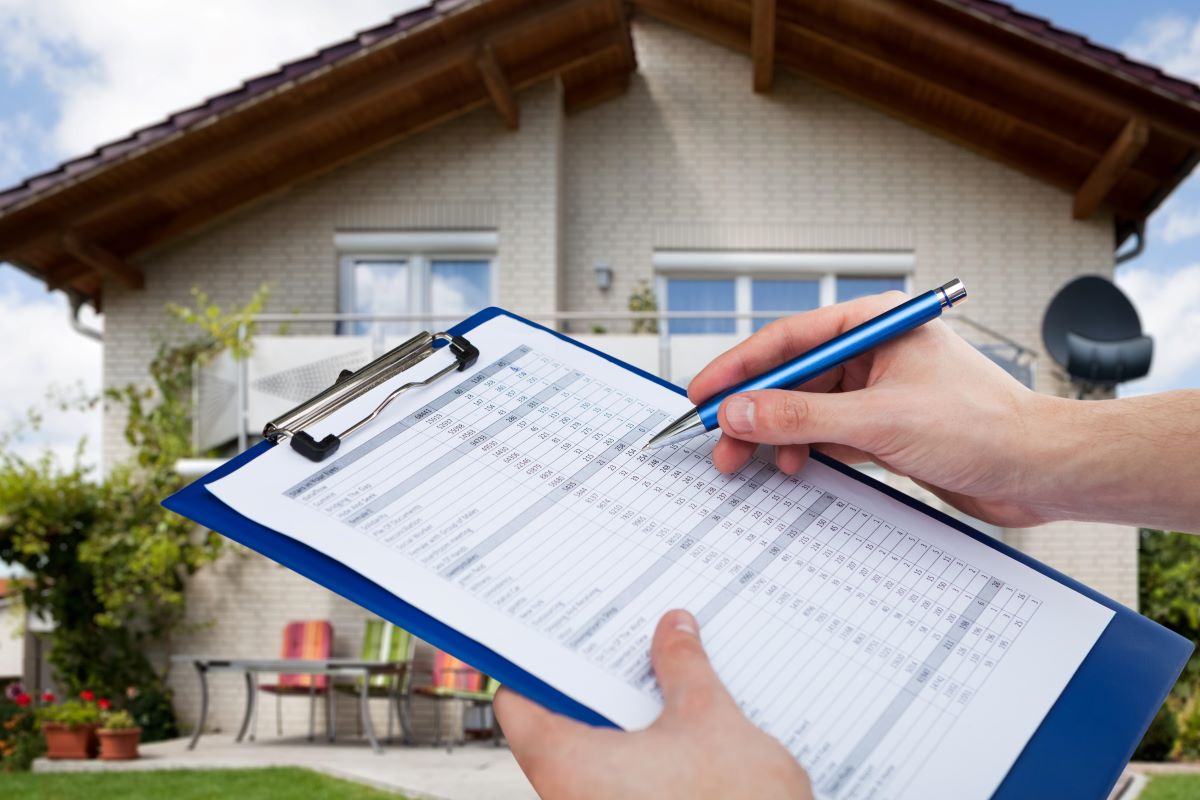
New York City is filled with historic homes, classic apartment buildings, and older rental properties that give neighborhoods their unique charm. But behind that charm can hide a serious health risk—lead-based paint. For families living in or moving into older buildings, understanding and addressing this risk is essential.
That’s why NYC lead paint testing plays a critical role in protecting children, adults, and future generations from long-term health harm. Whether you own, rent, or manage a property, knowing when and why to test for lead can make a life-changing difference.
Why Lead Paint Is Still a Serious Risk in NYC
Although lead-based paint was banned in 1978, thousands of NYC buildings were constructed before that time. Many still contain layers of old lead paint beneath newer coats. Over time, paint naturally deteriorates, especially around windows, doors, baseboards, and high-traffic areas.
When lead paint chips, peels, or turns into dust, it becomes dangerous—especially indoors.
Children under six are most at risk, as their developing brains absorb lead more easily. Even small amounts of exposure can cause irreversible effects, including learning disabilities, behavioral problems, and delayed development.
This is why lead paint testing NYC remains a vital safety measure for families across the city.
What Is NYC Lead Paint Testing?
NYC lead paint testing is a professional process used to determine whether lead-based paint or lead hazards exist inside a property. Testing is performed by certified inspectors using approved methods to ensure accuracy and legal compliance.
A typical inspection may include:
Visual assessment of painted surfaces
XRF (X-ray fluorescence) testing of paint layers
Surface or dust sampling in high-risk areas
Documentation of lead presence and hazard levels
A proper lead paint inspection NYC doesn’t just identify whether lead exists—it helps determine whether it poses a real risk to occupants.
How Lead Exposure Affects Families and Children
Lead exposure often happens silently. There may be no immediate symptoms, yet the damage can be long-lasting.
Health risks of lead exposure include:
Developmental delays in young children
Learning and attention disorders
Behavioral issues
Nervous system damage
Increased risks during pregnancy
Because symptoms may not appear right away, families often don’t realize exposure has occurred until damage is already done. NYC lead-based paint testing allows families to act before exposure becomes a health emergency.
Which NYC Properties Should Be Tested for Lead?
While any older building can pose a risk, certain situations make testing especially important.
You should prioritize lead paint testing NYC if:
Your building was constructed before 1978
You live with children or plan to start a family
You are moving into a pre-1978 apartment
You are planning renovations or repairs
Paint is chipping, cracking, or peeling
Rental properties and multi-unit buildings are particularly important to test, as lead dust can travel between units through shared spaces.
NYC Laws and Lead Safety Responsibilities
New York City enforces strict lead safety regulations designed to protect residents—especially children. Property owners and landlords have legal responsibilities to identify and address lead hazards.
Failing to perform proper lead paint inspection NYC services can lead to:
Fines and violations
Mandatory remediation orders
Legal liability
Unsafe living conditions
Professional testing helps ensure compliance while keeping families safe.
How Professional Lead Paint Testing Works
A certified NYC lead paint testing professional follows a structured process to ensure accuracy and safety.
Step 1: Initial Assessment
Inspectors review the age of the building, occupancy details, and any visible signs of deterioration.
Step 2: Paint Testing
XRF testing or approved methods are used to detect lead content beneath the surface without damaging walls.
Step 3: Hazard Evaluation
Inspectors determine whether lead is intact or creating exposure risks through dust or debris.
Step 4: Reporting
A detailed report outlines findings, affected areas, and recommended next steps.
This structured approach ensures families receive clear, actionable information—not just test results.
Why DIY Lead Test Kits Are Not Enough
While store-bought test kits may seem convenient, they are often unreliable and not legally accepted in NYC. DIY kits may fail to detect lead beneath multiple paint layers or accurately measure hazard levels.
Professional lead paint testing NYC provides:
Certified, accurate results
Compliance-ready documentation
Safe, non-destructive testing
Clear guidance for remediation
When family health is at stake, professional testing is always the safer choice.
Lead Paint Risks During Renovations
Renovations are one of the most common causes of lead exposure in NYC homes. Activities such as sanding, drilling, window replacement, or wall demolition can release lead dust into the air.
Before starting any renovation in an older building, NYC lead-based paint testing is essential.
Testing allows homeowners and contractors to:
Use proper containment methods
Avoid contaminating living spaces
Protect children and workers
Prevent costly project delays
Skipping testing can turn a simple renovation into a serious health hazard.
What Happens If Lead Is Found?
Finding lead does not automatically mean your home is unsafe. The next steps depend on whether the paint is intact or creating exposure risks.
Possible solutions include:
Encapsulation to seal lead paint
Targeted removal by certified professionals
Interim controls like specialized cleaning
Ongoing monitoring and follow-up inspections
A qualified lead paint inspection NYC provider will guide families through safe, compliant options.
How NYC Lead Paint Testing Protects Renters
Renters often assume lead safety is entirely the landlord’s responsibility. While landlords do have obligations, renters should still understand the risks.
Testing helps renters:
Confirm a unit is safe before moving in
Identify potential hazards for children
Request corrective action when needed
Make informed housing decisions
Knowledge empowers families to advocate for safer living environments.
Why Families Trust CleanNYC Lead and Mold Solutions
CleanNYC Lead and Mold Solutions provides trusted NYC lead paint testing services for families, homeowners, and property managers across New York City.
Our approach focuses on safety, clarity, and compliance—without unnecessary disruption to your home.
Business Information: CleanNYC Lead and Mold Solutions 841 Knickerbocker Ave, Brooklyn, NY 11207 Mobile: 212-381-6001
We specialize in accurate testing, detailed reporting, and family-focused solutions that put health first.
Frequently Asked Questions (FAQ)
How long does NYC lead paint testing take?
Most residential inspections are completed within a few hours, depending on property size and layout.
Is lead paint only dangerous if it’s peeling?
Peeling paint is the highest risk, but lead dust from friction surfaces can also cause exposure.
Can testing be done while we live in the home?
Yes. Certified inspectors follow strict safety procedures to prevent exposure during testing.
Is testing required if there are no children?
While not always legally required, testing is strongly recommended for health and resale value.
How often should lead testing be done?
Testing is recommended before renovations, when paint deteriorates, or when new occupants move in.
Final Thoughts: Safety Starts with Awareness
Lead exposure is preventable—but only when risks are identified early. With so many older buildings across the city, NYC lead paint testing is one of the most important steps families can take to protect their health.
Whether you are buying, renting, renovating, or simply ensuring your home is safe, professional testing provides clarity, compliance, and peace of mind.
Partnering with CleanNYC Lead and Mold Solutions means choosing safety, accuracy, and family-first protection—because your home should never put your loved ones at risk.