
New York City’s housing market is filled with character-rich properties—from historic brownstones in Brooklyn to pre-war apartments in Manhattan. While these buildings offer charm and long-term value, many of them were constructed before modern safety regulations were introduced. One of the most overlooked yet serious risks is lead-based paint.
In today’s safety-driven environment, lead paint inspection NYC is no longer optional. It is a critical step for homeowners, landlords, and property managers who want to ensure compliance, protect health, and maintain property value in 2026 and beyond.
Why Lead Paint Is Still a Major Concern in NYC
Lead-based paint was widely used in residential construction before 1978. Even though it has been banned for decades, many older buildings across New York City still contain layers of lead paint beneath newer coatings.
Over time, painted surfaces deteriorate due to aging, moisture, and everyday wear. This can release microscopic lead particles into the air and dust inside homes. These particles are especially dangerous for children, as they can affect brain development and overall health.
Because these risks are not visible, professional lead paint testing NYC is essential for identifying hidden hazards before they become serious.
What Happens During a Lead Paint Inspection?
A professional inspection is a detailed process designed to identify the presence of lead in painted surfaces throughout a property.
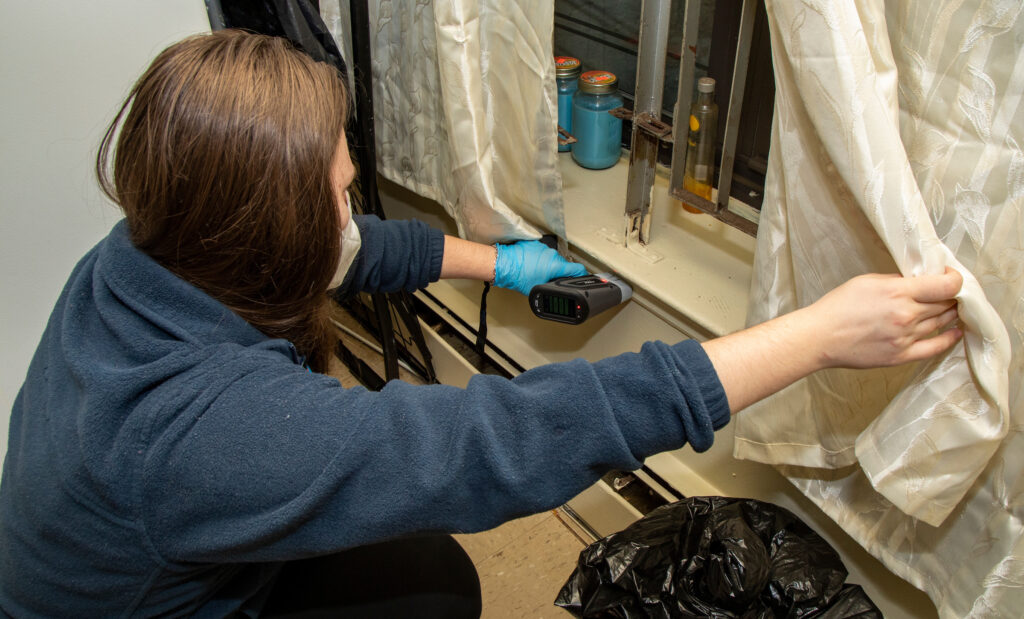
Certified inspectors evaluate key areas and use advanced tools such as XRF lead testing NYC to detect lead without damaging walls or surfaces. This method provides instant results and allows for comprehensive testing across multiple rooms.
Common Areas Inspected:
- Window frames and sills
- Doors and trims
- Walls and ceilings
- Baseboards and moldings
- Staircases and railings
These are high-friction areas where paint is more likely to deteriorate and release lead dust.
When Should You Schedule a Lead Paint Inspection?
Knowing when to schedule an inspection can help prevent exposure and avoid compliance issues.
Buying or Selling Property
Testing ensures transparency and prevents delays during real estate transactions.
Renovation or Remodeling Projects
Disturbing old paint can release harmful particles. Inspection beforehand ensures safe work practices.
Rental Property Compliance
Landlords must follow strict regulations. Conducting NYC lead compliance testing helps avoid fines and legal problems.
Health and Safety Concerns
If you notice peeling paint or live in an older building, inspection provides peace of mind.
Benefits of Professional Lead Inspection Services
Hiring experts for environmental lead testing NYC provides several important advantages.
Accurate Detection
Advanced equipment identifies lead even beneath multiple paint layers.
Non-Destructive Testing
Modern methods allow for thorough inspections without damaging surfaces.
Detailed Reports
Clear documentation helps property owners take informed action.
Compliance Support
Professional inspections help meet NYC housing laws and regulations.
Understanding NYC Lead Laws and Responsibilities
New York City has strict lead safety regulations designed to protect residents—especially children under six years old. Property owners are responsible for maintaining safe living environments and addressing hazards promptly.
Key Responsibilities:
- Repairing peeling or damaged paint
- Conducting regular inspections
- Maintaining proper records
- Ensuring child-safe living conditions
Failure to comply can result in penalties, making routine lead hazard inspection NYC essential for property management.
Why Early Detection Is Critical in 2026
Lead hazards often go unnoticed until they become serious health risks. Early detection through lead inspection services NYC allows property owners to take proactive steps before problems escalate.
Key Benefits:
- Protecting families and tenants
- Preventing costly repairs
- Avoiding legal complications
- Preserving property value
- Ensuring long-term safety
With stricter enforcement and increased awareness in 2026, early inspection is one of the smartest investments property owners can make.
Choosing the Right Lead Inspection Experts
Selecting a reliable inspection company is crucial for accurate results and compliance. Experienced professionals understand NYC regulations and use advanced tools to conduct thorough evaluations.
Companies like CleanNYC Lead and Mold Solutions provide trusted lead inspection services across New York City. Their certified inspectors use modern technology to identify risks and deliver detailed reports that support safety and compliance.
Working with experts ensures your property is properly evaluated and protected.
Maintaining a Lead-Safe Property
Inspection is only the first step. Ongoing maintenance is essential for reducing long-term risks.
Preventive Tips:
- Repair peeling or damaged paint immediately
- Keep interiors clean and dust-free
- Use certified contractors for renovations
- Schedule regular inspections
- Monitor high-risk areas regularly
Combining these steps with regular lead paint inspection NYC helps maintain a safe and compliant property.
Frequently Asked Questions
How long does a lead paint inspection take?
Most inspections take between 30 minutes and a few hours depending on property size.
Is lead paint dangerous even if it looks fine?
Yes. Lead can exist beneath newer paint layers and still pose a risk.
Do landlords in NYC need inspections?
Yes. Many regulations require landlords to maintain safe conditions and address lead hazards.
What is the most accurate testing method?
XRF testing is widely considered one of the most reliable and efficient methods.
Final Thoughts
New York City’s historic properties require a careful balance between preservation and safety. While these buildings offer long-term value, they also demand responsible maintenance.
By investing in lead paint inspection NYC, property owners can detect hidden hazards early, protect occupants, and meet compliance requirements. In today’s competitive and safety-focused market, proactive inspection is the key to long-term success.