
Lead exposure remains a serious health concern in New York City, especially in older residential buildings. As regulations tighten and awareness grows, NYC lead testing has become an essential responsibility for homeowners in 2026. Understanding when testing is required, how it works, and what risks it addresses can help protect your family, tenants, and property value.
This guide explains everything homeowners need to know about NYC lead testing—clearly, simply, and in compliance with current city standards.
What Is NYC Lead Testing?
NYC lead testing is the process of identifying lead-based hazards in residential properties, most commonly from old paint, dust, soil, or water. In New York City, many homes built before 1978 may still contain lead-based paint, which can deteriorate over time and create dangerous exposure risks.
Testing is typically performed by certified professionals using approved inspection methods to detect lead hazards before they cause harm.
Why Lead Testing Still Matters in 2026
Despite decades of regulation, lead remains a hidden danger in many NYC properties. In 2026, the focus has shifted from reactive testing to preventive lead hazard management.
Key reasons lead testing is critical today include:
Aging housing stock across NYC neighborhoods
Increased enforcement of local lead safety laws
Greater awareness of long-term health impacts
Required disclosures during property transactions
For homeowners, proactive lead inspection NYC services reduce legal risk and support safer living environments.
NYC Lead Testing Laws Homeowners Must Know
New York City enforces strict lead safety regulations, especially for residential properties with children under six. These laws require homeowners to take specific actions to identify and address lead hazards.
Common legal triggers for testing include:
Renting or leasing a residential unit
Renovating older properties
Receiving HPD or health department notices
Suspected peeling or deteriorating paint
Failing to comply can lead to violations, fines, and mandatory remediation orders.
Types of Lead Hazards Found in Homes
Lead hazards don’t come from paint alone. Comprehensive lead hazard testing NYC may identify multiple sources that homeowners should be aware of.
Common lead exposure sources:
Peeling or chipping paint
Lead-contaminated household dust
Bare soil near older buildings
Plumbing components affecting water quality
Identifying these hazards early helps prevent costly repairs and serious health outcomes.
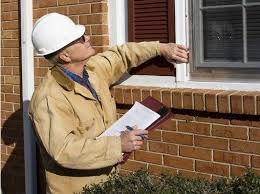
How NYC Lead Testing Is Performed
Professional NYC lead testing services follow strict procedures to ensure accurate and compliant results.
The process usually includes:
Visual inspection of painted surfaces
Testing paint using approved methods
Dust wipe or surface sampling
Detailed reporting with compliance guidance
Certified inspectors ensure testing aligns with NYC housing and health department standards.
When Should Homeowners Schedule Lead Testing?
Timing is crucial when it comes to lead safety. Homeowners should consider scheduling testing:
Before renting or renewing leases
Prior to renovations or repainting
When buying or selling older properties
If children will live in the home
After receiving a city compliance notice
Early testing helps avoid emergency violations and supports safer property management.
Health Risks Linked to Lead Exposure
Lead exposure can affect individuals of all ages, but children and pregnant women face the greatest risks.
Potential health impacts include:
Developmental delays in children
Learning and behavior issues
Neurological damage
Long-term cognitive effects
These risks make NYC lead testing not just a legal requirement, but a critical health safeguard.
Why Professional Testing Is Essential
DIY kits and visual checks are not sufficient for regulatory compliance. Only certified professionals can provide reliable testing and documentation recognized by NYC agencies.
Professional testing ensures:
Accurate detection
Legal compliance
Proper documentation
Clear next steps if hazards are found
This is especially important for landlords and multi-unit property owners.
Choosing the Right NYC Lead Testing Provider
When selecting a testing provider, homeowners should look for experience, certification, and local expertise.
CleanNYC Lead and Mold Solutions 841 Knickerbocker Ave, Brooklyn, NY 11207 212-381-6001
Working with a knowledgeable local provider ensures inspections are performed correctly and in line with NYC regulations.
Frequently Asked Questions (FAQ)
Is NYC lead testing mandatory for all homes?
Lead testing is required for many residential properties, especially those built before 1978 and occupied by children. Specific requirements depend on property use and condition.
How often should lead testing be done?
Testing is typically required when conditions change, such as new tenants, renovations, or city notices. Routine re-testing may be recommended for older buildings.
What happens if lead is found?
If lead hazards are identified, homeowners must take corrective action, which may include repairs, remediation, and follow-up testing.
Can homeowners perform lead testing themselves?
DIY testing is not accepted for compliance. Certified NYC lead testing services must conduct inspections to meet city standards.
How long does the testing process take?
Most inspections can be completed within a few hours, with reports provided shortly afterward.
Final Thoughts
In 2026, NYC lead testing is no longer optional for responsible homeowners—it’s a vital part of property safety, legal compliance, and long-term health protection. Understanding the process and acting early can prevent violations, protect residents, and preserve property value.
For homeowners across New York City, staying informed and proactive about lead safety is one of the smartest decisions you can make.