
New York City contains thousands of residential, commercial, and multi-family buildings that were constructed before modern environmental regulations were introduced. While these older properties often provide historical value and architectural character, they may also contain hidden lead-based paint hazards. Identifying these risks is an important responsibility for homeowners, landlords, contractors, property managers, and real estate investors. This is where professional XRF Testing NYCservices play a critical role.
X-Ray Fluorescence testing, commonly known as XRF testing, is one of the most reliable methods available for detecting lead-based paint. Unlike traditional testing methods that require paint sampling or laboratory analysis, XRF technology provides immediate results without damaging painted surfaces. As lead regulations continue to evolve and awareness of environmental health concerns increases, XRF inspections have become an essential tool for property owners throughout New York City.
Understanding the Need for Lead Detection
Lead-based paint was widely used in residential and commercial construction until it was banned for residential use in 1978. Many NYC buildings were constructed decades before that date, which means lead-containing materials may still be present beneath newer layers of paint.
Lead hazards often remain hidden until paint begins to:
- Chip
- Crack
- Peel
- Flake
- Deteriorate due to age
- Become disturbed during renovations
When this occurs, microscopic lead particles can contaminate indoor environments and create exposure risks for occupants.
Young children are particularly vulnerable because lead exposure can impact brain development, learning ability, and behavior. Adults may also experience health concerns associated with prolonged exposure. Because these risks are often invisible, professional testing is the most effective way to determine whether lead hazards exist within a property.
What Is XRF Testing?
XRF stands for X-Ray Fluorescence, an advanced technology used to detect lead within painted surfaces.
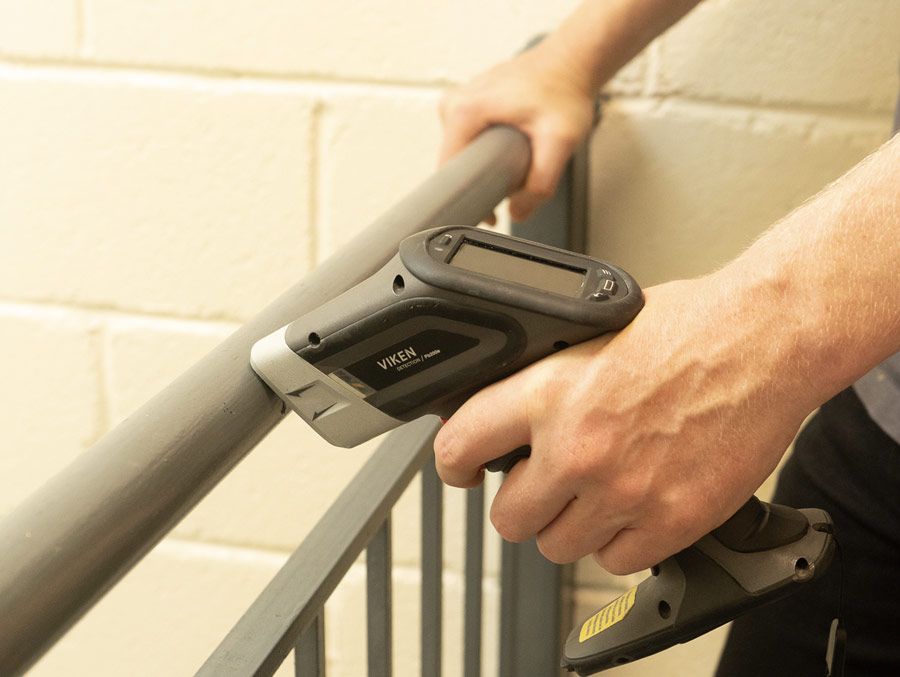
During an inspection, a certified professional uses a handheld XRF lead analyzer that directs low-level X-rays toward a painted surface. The device measures the response and determines whether lead is present beneath the paint.
One of the major advantages of XRF technology is that it allows inspectors to evaluate surfaces without removing paint samples or damaging the property.
The process is:
- Fast
- Accurate
- Non-destructive
- Highly efficient
- Widely accepted for regulatory purposes
Because results are available immediately, property owners can make informed decisions without waiting for laboratory reports.
Why XRF Testing Is Popular in NYC
The large number of older buildings throughout New York City makes XRF testing particularly valuable.
Property owners often choose this method because it provides a comprehensive evaluation while minimizing disruption to occupants.
Key advantages include:
Immediate Results
Traditional laboratory testing may require days or weeks for analysis. XRF testing delivers findings during the inspection itself.
No Surface Damage
Painted walls, trim, doors, and other components remain intact throughout the testing process.
High Accuracy
Modern XRF equipment provides highly reliable data that is recognized throughout the environmental testing industry.
Efficient Property Coverage
Inspectors can evaluate multiple rooms and surfaces quickly, making the process ideal for large properties.
Regulatory Support
XRF testing helps property owners document environmental conditions and support compliance efforts.
Situations When XRF Testing Is Recommended
Although any older building may benefit from testing, certain situations make inspections particularly important.
Before Renovation Projects
Construction activities can disturb existing paint and release lead-contaminated dust. Testing before work begins helps contractors implement lead-safe practices.
During Property Transactions
Buyers and sellers often use environmental inspections to better understand potential liabilities associated with older buildings.
Rental Property Management
Landlords may conduct testing to support compliance requirements and provide safer housing conditions.
Historic Building Restoration
Preservation projects frequently require lead evaluations before repair or restoration work begins.
Child-Occupied Facilities
Schools, daycare centers, and residential properties occupied by children often benefit from proactive lead inspections.
How the XRF Inspection Process Works
Professional XRF testing follows a systematic approach.
Property Review
The inspector identifies painted surfaces throughout the property that require evaluation.
Surface Testing
The XRF device is applied directly to walls, trim, doors, ceilings, windows, and other painted components.
Data Collection
Measurements are recorded and organized to create a comprehensive assessment of lead presence throughout the building.
Reporting
The property owner receives a detailed report outlining findings, areas of concern, and recommendations for next steps if hazards are identified.
This process provides valuable information without requiring invasive testing methods.
What Happens If Lead Is Detected?
Finding lead-based paint does not automatically mean a building is unsafe or requires extensive removal.
Several management options may be available depending on the condition of the painted surfaces.
Encapsulation
Specialized coatings can be applied to seal lead-containing surfaces and reduce exposure risks.
Surface Stabilization
Damaged areas may be repaired to prevent further deterioration and dust generation.
Lead Abatement
Permanent removal or containment strategies may be recommended when significant hazards are present.
Ongoing Monitoring
Routine inspections and maintenance programs can help ensure that lead-containing materials remain in stable condition.
A qualified environmental professional can recommend the most appropriate solution based on inspection results.
Choosing a Qualified XRF Testing Provider
The quality of inspection results depends heavily on the expertise of the testing company.
Before scheduling an inspection, property owners should look for:
- Certified lead inspectors
- Modern XRF equipment
- Experience with NYC regulations
- Comprehensive reporting services
- Strong industry reputation
- Knowledge of remediation strategies
Working with experienced professionals helps ensure accurate results and practical recommendations.
The Long-Term Benefits of XRF Testing
Property owners often view lead testing as a compliance requirement, but the benefits extend far beyond regulations.
Professional inspections can help:
- Protect occupant health
- Reduce liability risks
- Support property transactions
- Improve maintenance planning
- Increase buyer confidence
- Preserve long-term property value
These advantages make XRF testing a worthwhile investment for both residential and commercial properties.
Conclusion
Professional XRF Testing NYC services provide one of the most accurate and efficient methods for identifying lead-based paint hazards in older buildings. With thousands of pre-1978 properties throughout New York City, proactive testing remains an important part of responsible property ownership and management.
Whether you are planning renovations, purchasing real estate, managing rental housing, or maintaining a historic building, XRF testing offers valuable insight into environmental safety conditions. By identifying lead hazards early and addressing them appropriately, property owners can create healthier environments, maintain compliance, and protect their investments for years to come.
FAQs
1. What does XRF stand for?
XRF stands for X-Ray Fluorescence, a technology used to detect lead within painted surfaces.
2. Is XRF testing destructive?
No. XRF testing is non-destructive and does not require paint removal or property damage.
3. How accurate is XRF testing?
Modern XRF equipment provides highly accurate results and is widely accepted for professional lead inspections.
4. When should XRF testing be performed?
Testing is recommended before renovations, during property purchases, for rental properties, and whenever lead hazards are suspected.
5. How long does an XRF inspection take?
Inspection time depends on property size, but many residential evaluations can be completed within a few hours.