
New York City is known for its historic buildings, charming brownstones, and pre-war apartments. While these properties add character to neighborhoods across Brooklyn, Manhattan, and Queens, many of them were built during a time when lead-based paint was widely used in construction. Over time, deteriorating paint layers can create serious health risks for residents. This is why XRF lead-based paint testing has become one of the most reliable methods for identifying potential hazards in older buildings.
Property owners, landlords, and homebuyers are increasingly turning to advanced testing technologies to ensure their buildings meet safety standards and comply with local regulations.
Why Lead-Based Paint Remains a Concern in NYC
Lead paint was commonly used in residential construction before it was banned for household use in 1978. Many buildings across New York still contain older layers of paint beneath newer coatings. Even when surfaces appear safe, hidden lead may still be present underneath.
As paint ages, it can crack, peel, or produce dust that spreads throughout the home. Children are especially vulnerable because they can accidentally ingest lead particles through hand-to-mouth contact.
Because these hazards are not always visible, professional lead paint inspection NYC services are essential for identifying potential exposure risks.
Understanding How XRF Technology Works
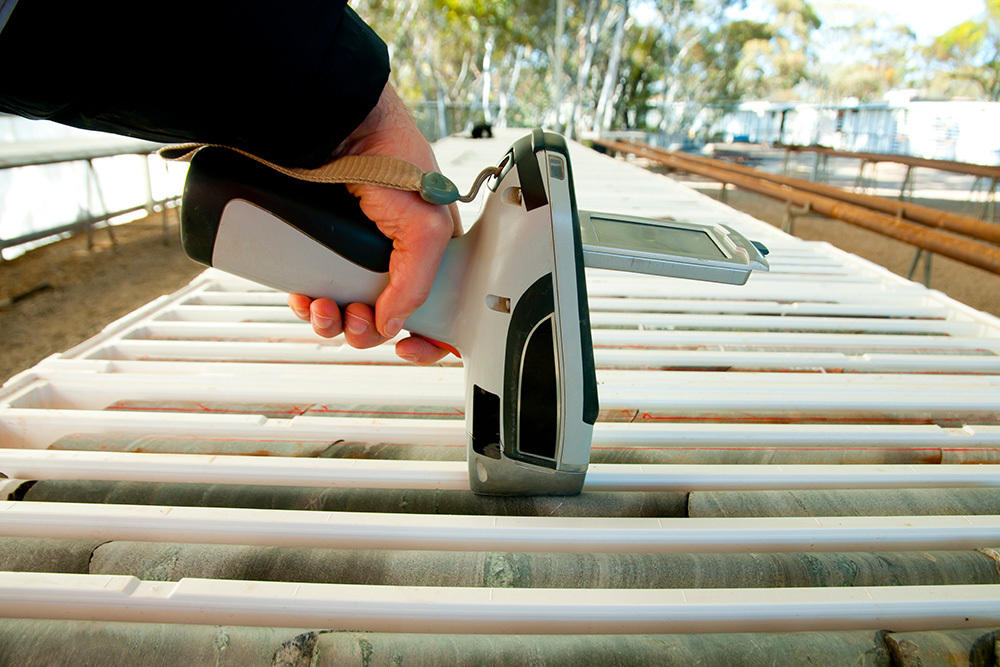
One of the most effective ways to detect lead in painted surfaces is through X-ray fluorescence testing. This technology allows certified inspectors to scan surfaces using a handheld device that analyzes the materials beneath the paint.
Unlike traditional sampling methods, which require removing pieces of paint and sending them to a laboratory, XRF testing provides instant results without damaging the surface being tested.
Benefits of XRF testing include:
- Non-destructive testing of painted surfaces
- Immediate detection results
- Ability to test multiple areas quickly
- High accuracy for identifying lead layers
- Efficient inspections for large properties
Because of these advantages, many professionals offering lead paint testing services NYC rely on this technology when evaluating residential or commercial buildings.
When Property Owners Should Schedule Lead Testing
Not every property requires immediate testing, but certain situations make inspections highly recommended.
Buying or Selling an Older Property
Before finalizing a real estate transaction, testing can confirm whether hazardous materials are present in the home.
Renovation and Remodeling
Construction activities can disturb painted surfaces, releasing harmful dust. Conducting testing beforehand allows contractors to follow safe work practices.
Rental Property Compliance
New York City regulations require landlords to maintain safe living conditions, especially when young children live in the building. Professional inspections help ensure compliance with NYC lead inspection requirements.
Concern About Child Safety
Parents living in older homes often request testing to ensure that their living environment is safe for children.
Areas of a Home Most Commonly Tested
During a professional inspection, trained technicians evaluate various painted components of the property. Certain surfaces are more likely to contain lead because they experience friction or wear over time.
Common testing locations include:
- Window frames and sills
- Doors and door frames
- Walls and ceilings
- Baseboards and trim
- Stair railings and banisters
Testing these areas allows inspectors to determine whether lead paint is present and assess the potential risk of exposure.
The Role of Professional Lead Inspection Services
While DIY test kits exist, they often lack the accuracy and reliability of professional inspection equipment. Certified inspectors use specialized tools and follow standardized procedures to ensure accurate results.
Professional environmental lead testing NYC services typically provide detailed reports outlining the areas tested and whether hazardous materials were detected.
These reports are useful for property owners because they:
- Provide documentation for compliance purposes
- Identify areas requiring maintenance or remediation
- Help property managers develop long-term safety plans
- Support safer renovation and repair projects
Working with experienced professionals ensures that inspections meet federal and local guidelines.
NYC Regulations Designed to Reduce Lead Exposure
New York City has implemented strict housing regulations to protect residents from lead hazards. These laws focus on preventing exposure, particularly for children living in older rental properties.
Property owners are often responsible for:
- Maintaining paint surfaces in safe condition
- Addressing peeling or deteriorating paint
- Conducting inspections when required
- Keeping documentation related to lead safety
Professional testing services help property owners meet these responsibilities and reduce the risk of penalties or housing violations.
What to Expect During an Inspection Appointment
A typical inspection begins with a walkthrough of the property to identify painted surfaces that may contain lead. The technician then uses specialized equipment to scan various areas of the building.
Each reading is recorded and later compiled into a comprehensive report. If hazardous materials are identified, the report may include recommendations for further evaluation or remediation.
Most residential inspections can be completed relatively quickly, depending on the size of the property.
Why Accurate Detection Is Essential
Lead hazards often remain hidden for years because they are not visible to the naked eye. Without proper testing, residents may unknowingly be exposed to contaminated dust or deteriorating paint.
Accurate detection allows property owners to address potential risks before they become serious health concerns.
Benefits of early detection include:
- Protecting children and families from exposure
- Preventing costly legal issues
- Supporting safer renovation projects
- Preserving property value
- Maintaining compliance with housing regulations
Modern testing methods provide the clarity needed to manage older buildings responsibly.
Choosing Reliable Lead Testing Professionals
When scheduling an inspection, it is important to work with experienced professionals who understand local housing regulations and environmental safety standards.
Companies such as CleanNYC Lead and Mold Solutions provide specialized inspection services for property owners across New York City. Their trained inspectors use advanced detection technology to evaluate residential and commercial properties while providing detailed reports for compliance and safety planning.
Professional services ensure that testing is performed accurately and in accordance with NYC housing requirements.
Creating Safer Living Spaces in Historic Buildings
New York’s historic homes and apartments are an important part of the city’s identity, but maintaining them safely requires modern inspection techniques. Identifying hidden hazards is the first step toward protecting residents and preserving these buildings for future generations.
With professional XRF lead-based paint testing, property owners can detect potential risks quickly and take proactive steps to maintain safe indoor environments.
Frequently Asked Questions
What is XRF lead paint testing?
It is a non-destructive inspection method that uses X-ray technology to detect lead in painted surfaces without removing samples.
Is XRF testing safe for occupants?
Yes. When conducted by trained professionals, the equipment uses controlled levels of radiation and is considered safe during inspections.
How long does lead paint testing take?
Most residential inspections take between 30 minutes and a few hours depending on the size of the property.
Do all older homes in NYC contain lead paint?
Not all homes contain lead paint, but many buildings constructed before 1978 may still have it beneath newer paint layers.