
Lead exposure continues to pose serious risks in New York City, particularly in buildings built before 1960. Failing to identify and remediate lead hazards can lead to severe health issues for tenants and costly fines for property owners. Professional XRF lead testing NYC ensures compliance with regulations while protecting families from hidden dangers.
At CleanNYC Lead and Mold Solutions, located at 841 Knickerbocker Ave, Brooklyn, NY 11207 | 212-381-6001, we provide fast, certified, and accurate XRF lead testing NYC for both residential and commercial properties. This guide explains how XRF testing works, why it is critical for legal compliance, and how it protects tenants and homeowners.
Why Lead Hazards Are a Legal and Health Concern in NYC
Many NYC buildings constructed before 1960 still contain lead-based paint. Exposure to lead can result in:
Developmental delays and learning difficulties in children
Behavioral issues such as irritability and hyperactivity
Nervous system and organ damage in adults
Legal consequences for landlords who fail inspections
Under NYC law, property owners are required to identify and address lead hazards. Non-compliance can result in significant fines and legal action.
What Is XRF Lead Testing NYC?
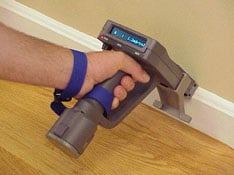
XRF (X-ray fluorescence) lead testing NYC is a non-destructive, rapid, and precise method to detect lead in paint and surfaces. Using a handheld XRF device, inspectors can instantly detect lead without damaging walls, doors, or window frames.
Benefits include:
Fast, non-invasive detection
Immediate results for compliance documentation
Safe for tenants, children, and pets
Accurate readings even under multiple paint layers
Step-by-Step Process of XRF Lead Testing NYC
1. Initial Visual Assessment
Inspectors first examine the property to identify high-risk areas:
Peeling or chipped paint
High-friction surfaces like doors, stairs, and windows
Areas affected by prior renovations
This ensures that XRF scans focus on the most critical spots.
2. Handheld XRF Device Scan
The inspector uses a handheld XRF analyzer to scan walls, window frames, doors, and other surfaces. The device emits a controlled X-ray beam that interacts with materials to detect lead concentrations instantly.
Fast and accurate
Non-destructive
Documentation-ready for compliance
3. Dust and Surface Sampling
For comprehensive testing, inspectors may collect dust wipe samples in:
Window wells and sills
Door frames
Floors and play areas
This ensures that all potential exposure sources are evaluated.
4. Detailed Reporting & Recommendations
After testing, a certified report is provided, including:
Lead presence and concentration
Locations of hazardous areas
Recommended remediation measures
Guidance for NYC regulatory compliance
Why XRF Lead Testing NYC Prevents Legal Penalties
1. Compliance with NYC Regulations
Property owners must comply with NYC lead laws, including Local Law 1 and other lead safety requirements. Certified XRF lead testing NYC provides the documentation required for inspections and audits.
2. Protects Tenants from Health Risks
Detecting lead before exposure helps avoid illnesses, particularly in children and pregnant women.
3. Avoids Costly Fines
Non-compliance can result in financial penalties, legal action, and increased liability. Proper XRF lead testing ensures that landlords stay within the law.
4. Supports Safe Renovations
XRF testing identifies lead before renovation work begins, preventing accidental contamination of living spaces and protecting workers and tenants.
Common Areas Checked During XRF Lead Testing NYC
Inspectors focus on:
Window sills and frames
Doors and door jambs
Stair rails and handrails
Baseboards, moldings, and trim
Kitchen and bathroom cabinets
These are areas most likely to accumulate lead dust due to friction and frequent use.
Frequently Asked Questions (FAQ)
1. Is XRF testing safe for families?
Yes. XRF devices use a low-level X-ray beam that is completely safe for children, adults, and pets.
2. How long does an XRF lead inspection take?
Inspections typically last 45–90 minutes, depending on property size and complexity.
3. Can XRF detect lead under multiple paint layers?
Yes. XRF technology can detect lead even beneath several layers of paint.
4. What should I do if lead is detected?
Certified inspectors provide a detailed report and recommend remediation actions, such as encapsulation, cleaning, or removal by licensed contractors.
5. How often should XRF lead testing be performed?
It is recommended before renovations, move-ins, or when children are present. For high-risk buildings, periodic testing every 3–5 years is advisable.
Conclusion
Professional XRF lead testing NYC is essential for protecting tenants, families, and property owners. It provides fast, accurate detection, supports compliance with NYC lead laws, and prevents legal and financial penalties.
Trust CleanNYC Lead and Mold Solutions for certified inspections, detailed reporting, and expert guidance to ensure your property is safe and lead-free.
841 Knickerbocker Ave, Brooklyn, NY 11207 | 212-381-6001
Schedule your XRF lead testing NYC today to prevent legal violations and protect your family.