
New York City is filled with historic properties that reflect its rich architectural past. From classic brownstones in Brooklyn to pre-war apartments in Manhattan, many buildings were constructed long before modern safety standards were introduced. While these properties remain highly desirable, they may also contain hidden environmental risks—particularly lead-based paint. This is where becomes an essential service for property owners, landlords, and homebuyers.
Lead hazards are often invisible and difficult to detect without professional tools. Advanced testing methods now make it easier to identify these risks quickly and accurately, helping ensure safer indoor environments.
Understanding the Risk of Lead in NYC Properties
Lead-based paint was commonly used in residential construction prior to 1978. Although it is no longer permitted for household use, many older buildings still have layers of lead paint beneath newer coatings.
As painted surfaces age, they can crack, peel, or create dust that spreads throughout living spaces. This dust can be inhaled or ingested, posing serious health risks—especially for children.
Because these hazards are not always visible, professional lead paint inspection NYC services play a crucial role in identifying potential exposure risks early.
What Is XRF Testing and How Does It Work?
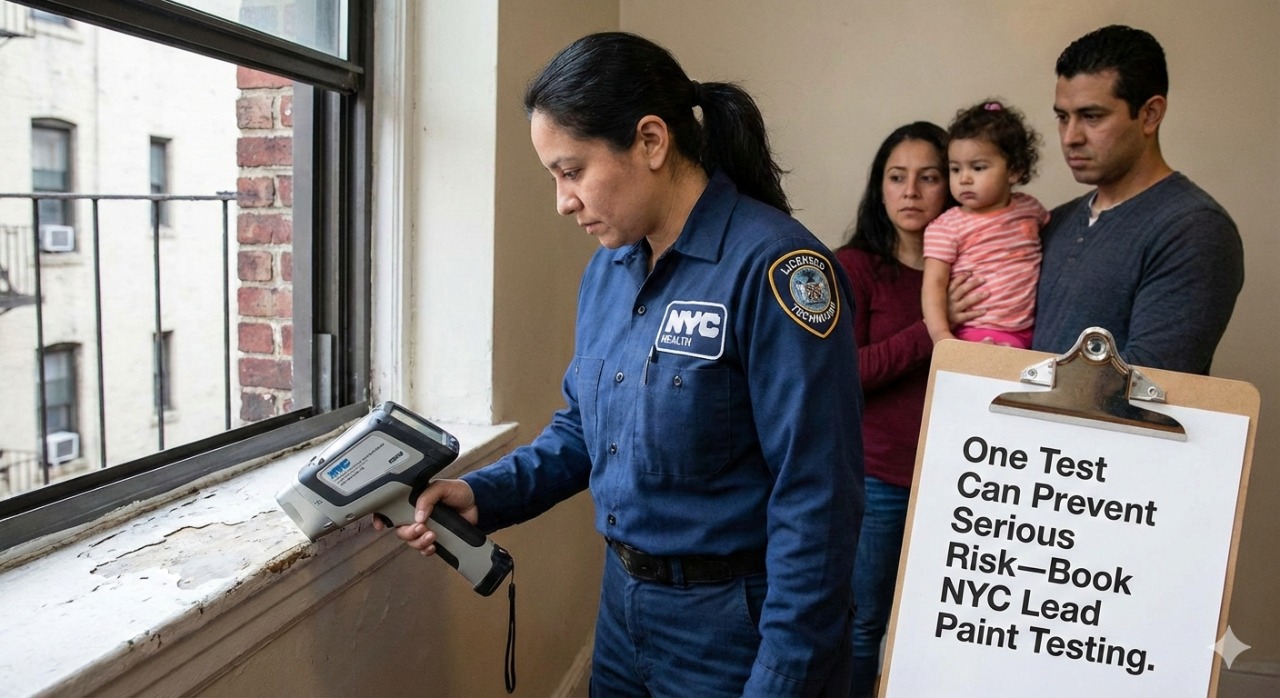
One of the most reliable ways to detect lead in painted surfaces is through X-ray fluorescence technology. This method allows inspectors to scan surfaces using a handheld device that analyzes materials beneath the paint.
Unlike traditional methods that require removing samples, XRF testing provides immediate results without damaging the property. This makes it ideal for both residential and commercial buildings.
Key Features of XRF Testing:
- Non-destructive inspection method
- Instant and accurate results
- Ability to test multiple surfaces quickly
- Ideal for large properties and multi-unit buildings
- Minimal disruption to occupants
Because of these advantages, many professionals offering lead paint testing NYC rely on XRF technology for efficient and thorough inspections.
Where Lead Hazards Are Most Commonly Found
During a professional inspection, technicians focus on areas that are more likely to contain lead due to wear and frequent use.
Common High-Risk Areas:
- Window frames and sills
- Doors and door frames
- Walls and ceilings
- Baseboards and trims
- Stair railings and banisters
These surfaces are prone to friction and deterioration, which can release lead particles over time. Using advanced lead inspection services NYC, inspectors can quickly identify these problem areas.
When Should You Schedule XRF Testing?
There are several situations where scheduling a professional inspection is highly recommended.
Before Buying or Selling Property
Testing provides transparency and helps avoid unexpected issues during real estate transactions.
During Renovation or Remodeling
Construction work can disturb old paint layers, releasing harmful dust. Testing beforehand ensures safe work practices.
Rental Property Compliance
Landlords must meet strict safety regulations to protect tenants. Conducting NYC lead compliance testing helps avoid fines and legal complications.
Family Health Concerns
If you live in an older building or have young children, testing can provide peace of mind.
Benefits of Professional XRF Testing Services
Hiring professionals for environmental lead testing NYC offers several important advantages.
Accurate Detection
Advanced equipment ensures precise identification of lead, even beneath multiple paint layers.
Non-Destructive Process
XRF testing allows inspectors to examine surfaces without causing any damage.
Detailed Reports
Inspection results are documented in clear reports that help property owners understand risks and next steps.
Regulatory Compliance
Professional services help ensure compliance with local housing laws and safety standards.
NYC Regulations and Lead Safety Requirements
New York City has implemented strict regulations to reduce the risk of lead exposure, particularly in residential properties. These laws require landlords and property owners to maintain safe living conditions and address any hazards promptly.
Responsibilities Include:
- Repairing peeling or damaged paint
- Conducting regular inspections
- Keeping records of testing and maintenance
- Ensuring child-safe environments
Failing to comply with these regulations can lead to penalties, making regular testing an essential part of property management.
Why Early Detection Is Critical
Lead hazards often remain undetected until they become serious health concerns. Early detection through lead hazard testing NYC allows property owners to take proactive steps to prevent exposure.
Key Benefits of Early Testing:
- Protecting children and families
- Preventing costly repairs
- Avoiding legal issues
- Maintaining property value
- Ensuring long-term safety
By identifying risks early, property owners can maintain safer and healthier living spaces.
Choosing a Reliable Testing Company
Selecting an experienced and certified inspection company is crucial for accurate results. Professionals who understand NYC regulations and use advanced technology can provide thorough evaluations.
Companies like CleanNYC Lead and Mold Solutions offer expert services across New York City. Their trained inspectors use modern tools to identify hazards and help property owners meet compliance requirements while ensuring occupant safety.
Maintaining a Lead-Safe Property
In addition to scheduling inspections, property owners can take proactive steps to reduce lead exposure risks:
- Repair peeling or deteriorating paint promptly
- Keep living areas clean and dust-free
- Follow safe renovation practices
- Schedule routine inspections
- Monitor high-risk areas regularly
Combining these efforts with professional testing ensures long-term safety for residents.
Frequently Asked Questions
How long does XRF testing take?
Most inspections take between 30 minutes and a few hours, depending on the size of the property.
Is XRF testing safe?
Yes. The equipment is designed for environmental testing and is safe when used by trained professionals.
Can lead be present even if paint looks intact?
Yes. Lead can exist beneath newer layers of paint and may still pose a risk.
Is XRF testing better than traditional methods?
XRF testing is faster, non-destructive, and highly accurate, making it one of the most preferred methods.