
New York City is home to a diverse mix of historic and modern properties. From classic brownstones in Brooklyn to pre-war apartments in Manhattan, these buildings offer long-term value and architectural charm. However, many of these structures were built before 1978—when lead-based paint was widely used.
In 2026, property safety and compliance have become more important than ever. This is where lead paint inspection NYC plays a crucial role. Combined with advanced methods like lead paint testing NYC, lead test NYC, and XRF lead testing NYC, inspections help detect hidden hazards, protect occupants, and ensure compliance with strict regulations.
Why Lead Paint Is Still a Concern in NYC
Despite being banned decades ago, lead-based paint remains present in many NYC buildings. It is often hidden beneath layers of newer paint, making it difficult to identify without professional inspection.
Over time, painted surfaces deteriorate due to age, moisture, and everyday use. Peeling, chipping, and friction release microscopic lead particles into the air and dust. These particles can be inhaled or ingested, especially by children, posing serious health risks.
Because of this, professional environmental lead testing NYC is essential for identifying risks early.
What Is a Lead Paint Inspection?
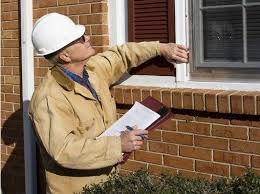
A lead paint inspection NYC is a detailed evaluation of painted surfaces within a property to detect the presence of lead-based paint. Certified inspectors use specialized tools to identify hazards quickly and accurately.
Common Inspection Methods:
XRF Testing
One of the most effective techniques, XRF lead testing NYC uses handheld devices to scan surfaces and provide instant results without damaging them.
Paint Sampling
Small samples are collected and analyzed in laboratories for precise results.
Dust Wipe Testing
Measures lead dust levels, especially useful after renovation work.
These methods are part of comprehensive lead inspection services NYC, ensuring thorough assessments.
Common Areas Where Lead Hazards Are Found
Lead paint hazards are typically found in areas exposed to wear and friction.
- Window frames and sills
- Doors and trims
- Walls and ceilings
- Baseboards and moldings
- Staircases and railings
Using professional lead paint testing NYC, inspectors can evaluate these high-risk areas effectively.
When Should You Schedule a Lead Paint Inspection?
Timing is critical when it comes to maintaining safety and compliance.
Buying or Selling Property
Inspection ensures transparency and avoids delays during transactions.
Renovation or Remodeling
Disturbing old paint can release hazardous dust. Inspection beforehand ensures safe practices.
Rental Property Compliance
Landlords must follow strict regulations. Conducting NYC lead compliance testing helps avoid penalties.
Health Concerns
If you notice peeling paint or live in an older building, inspection provides peace of mind.
Benefits of Professional Lead Paint Inspection
Hiring certified experts for lead paint inspection NYC offers several key advantages:
Accurate Detection
Advanced tools identify lead beneath multiple paint layers.
Non-Destructive Testing
XRF technology ensures thorough inspections without damaging surfaces.
Detailed Reports
Clear documentation helps property owners take immediate action.
Compliance Support
Professional services ensure adherence to NYC regulations.
NYC Lead Laws and Responsibilities
New York City has strict lead safety laws designed to protect residents—especially children under six. Property owners are required to maintain safe living conditions and address hazards promptly.
Key Responsibilities:
- Repair peeling or damaged paint
- Conduct regular inspections
- Maintain proper records
- Ensure tenant safety
Failure to comply can result in fines and legal issues, making routine lead hazard testing NYC essential.
Why Early Detection Matters in 2026
Lead hazards often remain hidden until they become serious problems. Early detection through lead paint inspection NYC allows property owners to take proactive steps.
Key Benefits:
- Protecting families and tenants
- Preventing costly repairs
- Avoiding legal complications
- Preserving property value
- Ensuring long-term safety
With stricter enforcement and increased awareness in 2026, proactive inspection is more important than ever.
Choosing a Trusted Lead Inspection Company
Selecting a reliable provider is essential for accurate results and compliance. Experienced professionals understand NYC regulations and use advanced tools for detailed inspections.
Companies like CleanNYC Lead and Mold Solutions offer expert lead paint inspection NYC services. Their certified inspectors use advanced XRF technology to deliver accurate assessments and comprehensive reports.
Working with professionals ensures your property is properly evaluated and protected.
How to Maintain a Lead-Safe Property
Inspection is only the first step. Ongoing maintenance helps reduce long-term risks.
Preventive Tips:
- Repair peeling or damaged paint immediately
- Keep interiors clean and dust-free
- Use certified contractors for renovations
- Schedule routine inspections
- Monitor high-risk areas regularly
Combining these steps with regular lead test NYC ensures a safe and healthy living environment.
Frequently Asked Questions
How long does a lead paint inspection take?
Most inspections take between 30 minutes and a few hours depending on property size.
Can lead paint be hidden under new paint?
Yes. It can remain beneath multiple layers.
Is XRF testing necessary?
Yes. It is one of the most efficient and accurate methods.
Is inspection required for landlords?
Yes. NYC regulations require safe living conditions.
Final Thoughts
New York City’s properties offer strong investment potential, but they also require responsible maintenance. Lead paint hazards remain a concern in older buildings, making inspections essential.
By investing in lead paint inspection NYC, along with lead paint testing NYC, XRF lead testing NYC, and a professional lead test NYC, property owners can detect hidden hazards early, protect occupants, and stay compliant with regulations. In today’s safety-focused environment, proactive inspection is the key to long-term success.